Reading time
8 min
Tijuana's artistic production has developed less as a stable scene and more as a succession of networks, spaces, and communities capable of reorganizing and reappearing in different forms.
I was born in Tijuana in 1987, to a mother from Rosarito and a father from Guadalajara. My father is a sculptor, so my first experiences with art happened at home, among tools, wood, and strange stones. My cultural memories appear mixed together: gatherings of my father with the Sociedad Mexicana de Autores de las Artes Plásticas; evening exhibitions at a municipal gallery driven by Juan Zúñiga Padilla, my father's teacher and later mine as well; galleries in San Diego; spaces in Rosarito and giant banners at the CECUT, inaugurated in 1982 at a scale unprecedented for the city.
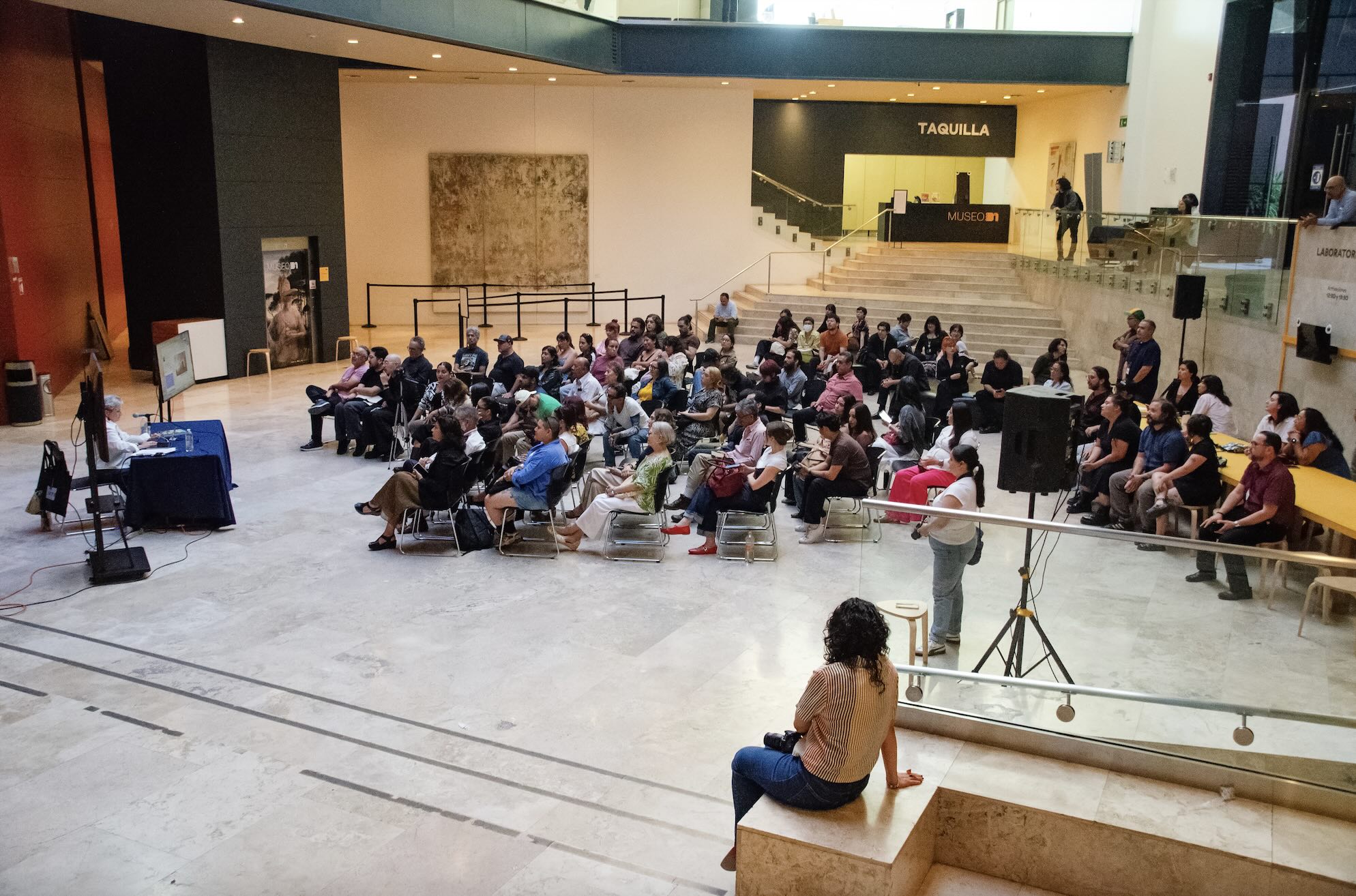
Tijuana grew from of a contradiction: it was built alongside California as a tourist destination, a playground, and a territory of permissiveness, but also as a city of jobs and opportunities. From the perspective of contemporary art, Insite[1] is an indispensable precedent. It turned Tijuana into a symbolic surface and showed that art could use the city as material and argument. We ere left with stories of a human cannonball, a Trojan horse on the border line, and projects that modified everyday spaces.
For decades, Tijuana was presented as a mutant border, laboratory, open wound, third country, and stage for metaphors involving barbed wire and tires. At certain moments it seemed to be at the center of the world; at others, a stage set.
In parallel, Sayak Valencia and Heriberto Yépez built critical frameworks for reading violence, the economy, language, and border contradictions beyond those images. El Colegio de la Frontera Norte has been fundamental in researching the region. However, its relationship with the art scene has remained closer to the academic sphere.
Although I did not study the arts, the creation of the Escuela de Artes at UABC (2003) transformed the local landscape. Professional training no longer depended solely on workshops, isolated courses, or relocating to other cities.
Then, in 2008, violence drastically changed schedules and the way the city was inhabited. When fear pushed toward isolation, cultural spaces functioned as gathering points and collective refuge. Walking through the streets, taking public transport, or attending an exhibition became small daily negotiations with threats that could not always be seen but conditioned our movements.
Between 2010 and 2014 I worked in cultural institutions. There I discovered that an institution is also made up of people, administrative decisions, government cycles, and different understandings of for whom culture is made. I also learned that its continuity depends, often, on knowledge that disappears or is displaced with each administration.
Later I arrived at TJINCHINA, a space created by artists Mely Barragán and Daniel Ruanova, where I came to better understand the languages of contemporary art. It is not enough to observe finished objects; one must know processes, follow conversations, and observe how artists, gallerists, curators, writers, and others involved in the circulation of works operate. One must collect names, exhibitions, and concepts like someone trying to complete a Pokédex.
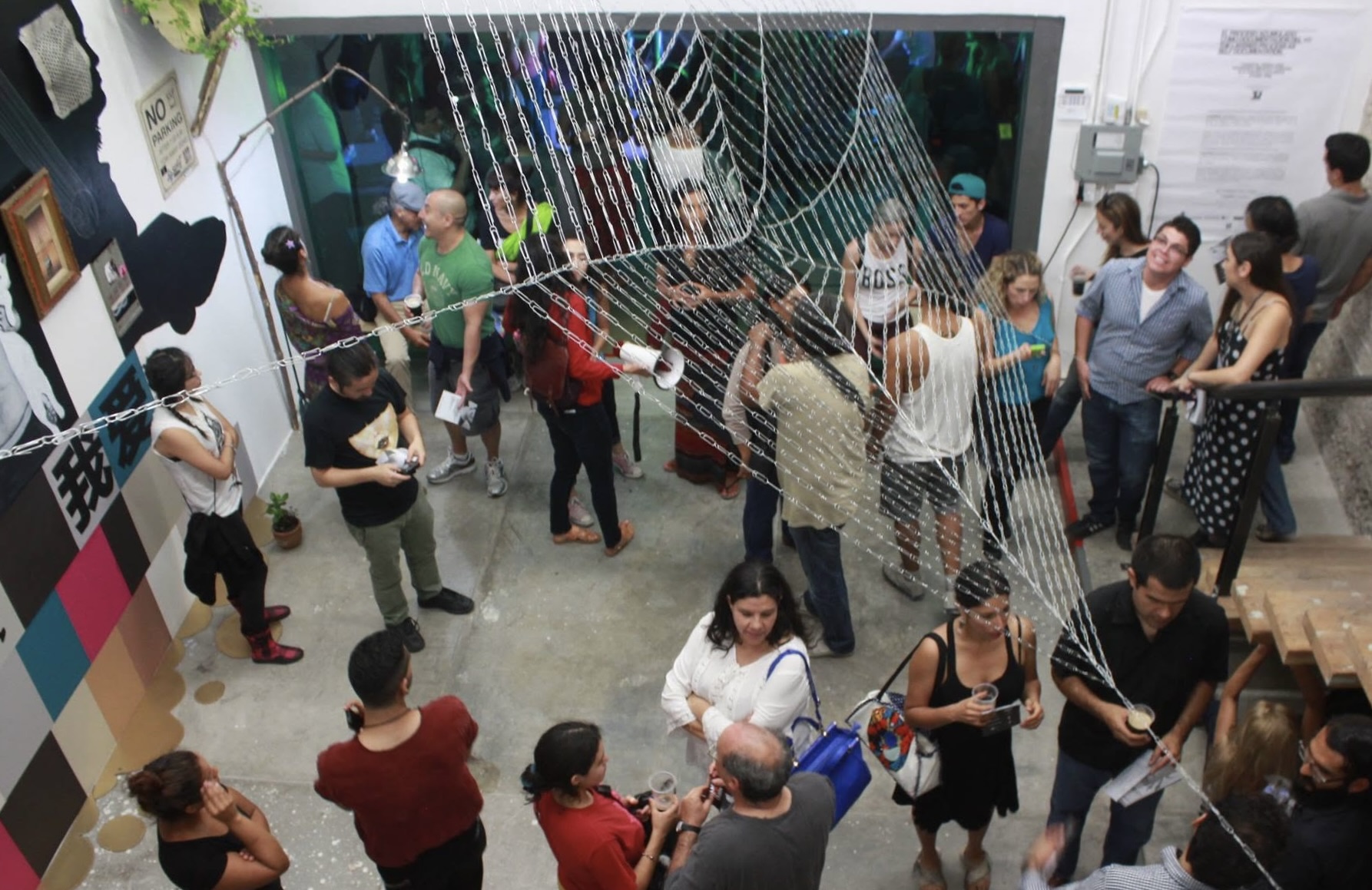
Also important were the bonds that formed among those of us who began working as assistants and, over time, became colleagues. While each person built their own career, collaborations gave rise to friendships and shared projects.
TJINCHINA was a station within a broader and discontinuous infrastructure. La Galería de Arte de Nina Moreno, El Río Rita, Radio Global, Bulbo Press, Yonke Art, Toro Lab, Discos Invisibles, La Casa de la 9, Café Revolver, Pieza Laboratorio, and Nett Nett (in the Pasaje Rodríguez), as well as the Programa de Fotografía Contemporánea by Javier Ramírez Limón and Deslav—and even Bar Zacazonapan and El Pueblito—all built places to meet and learn.
Fran Ilich and Pepe Rojo expanded the discussion through writing. The trajectories of artists such as Martha Palau, Carmela Castrejón, Claudia Ramírez, Julio Orozco, Tania Candiani, Alejandro Zacarias, Alida Cervantes, and Leslie García also broadened the ways of producing, teaching, and building audiences.
The city is full of ghost infrastructures: spaces that closed, festivals that stopped happening, projects that changed names, and artists who left.
Recently, independent and institutional archives have been created to gather that memory. Preserving wall texts, posters, testimonies, and photographs is also the production of infrastructure: memory ceases to depend on those who were present and becomes available to other generations.
Although the United States is just minutes away, its art market is not automatically accessible: economic, legal, and symbolic barriers persist. National validation tends to pass through central Mexico, so many circuits require traveling to Mexico City or Guadalajara. We are too far north for some national narratives and too far south to integrate naturally into the Californian circuit.
The forms of local art have changed. The border no longer appears solely as a wall, cross, map, or bilingual object. It can manifest in software, animation, research, 3D printing, sound pieces, ceramics, design objects, or painting focused on its own materiality.
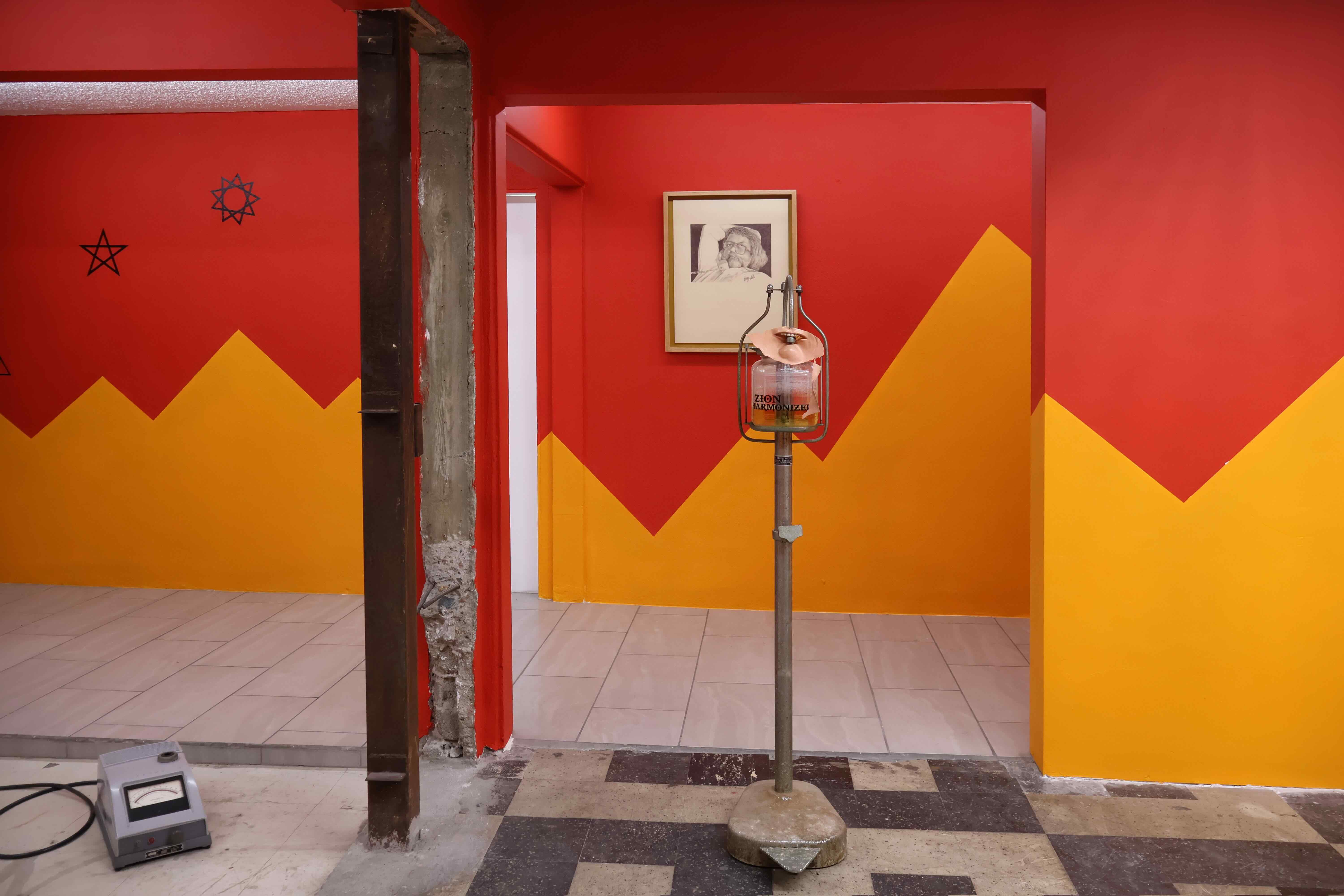
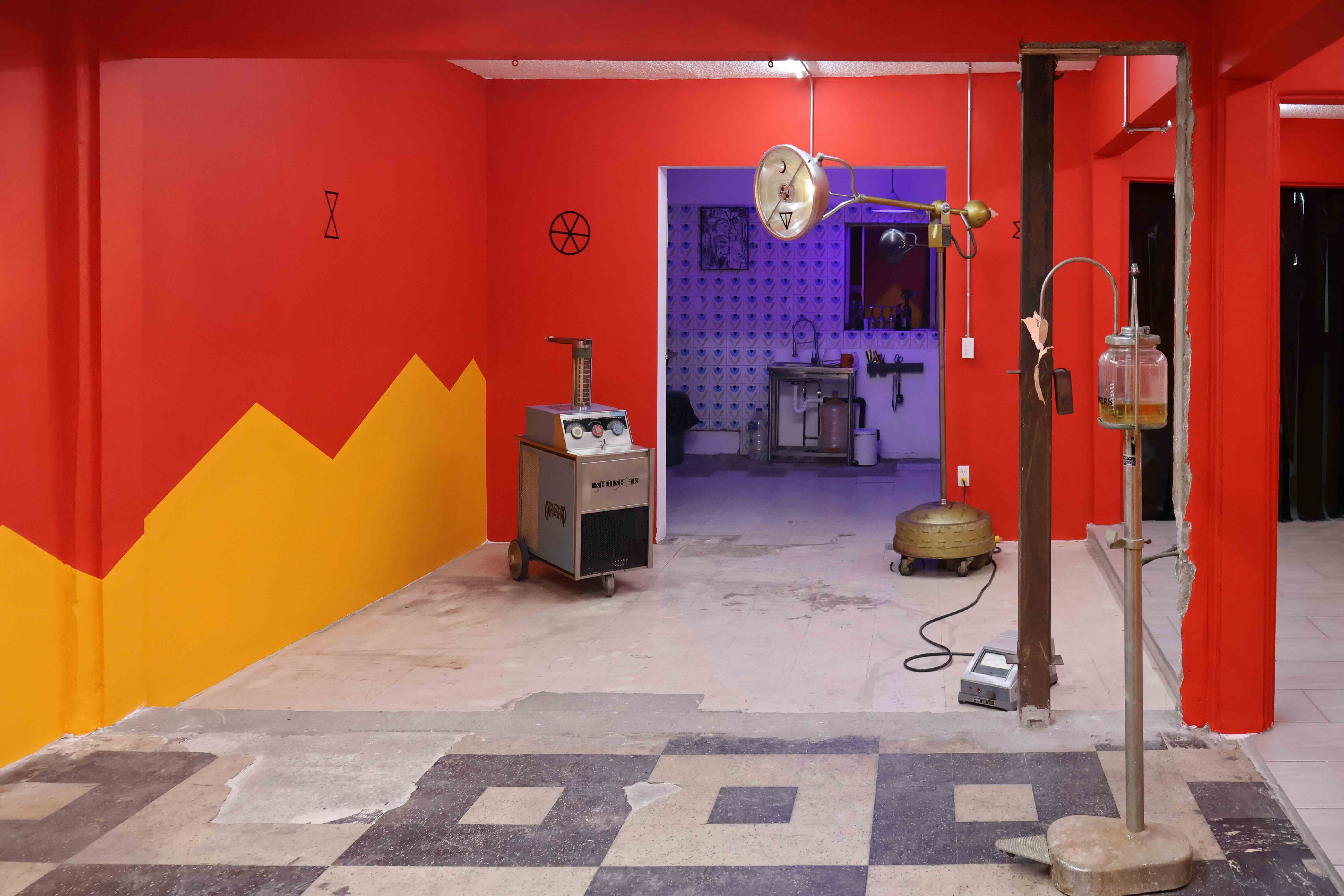
In 2021, during the pandemic, Luis Alonso Sánchez and I founded Sala de Espera inside a disused hospital. Occupying a former hospital means coexisting with its architecture, traces, and prior functions. The space integrates urban archaeology and fiction as part of its conversation: it is about working with its remains. It is a vessel built inside another vessel in ruins.
As an independent space, it has also allowed us to navigate the circuits of other cities and advance our own artistic careers. The platform opens in both directions: it serves for artists from outside to present their work, share methodologies, and establish connections with local artists, but also for them to get to know Tijuana from within, beyond the quick images of the border.
Local cultural management depends on knowing artists and organizers. It is not only the sinister version of cronyism: cultural relationships also require trust. Someone invites you to an exhibition, then you collaborate, and years later they recommend your work, connect you with another city, or lend you a tool. Projects form constellations, though the challenge is to prevent them from becoming closed circles.
Those constellations do not end in Tijuana. The scene is built through travel to Rosarito, Tecate, Ensenada, Mexicali, San Diego, Mexico City, and Guadalajara. A network can begin with a trip, a meal, or a conversation, and afterward produce exhibitions, friendships, and routes outside institutional maps.
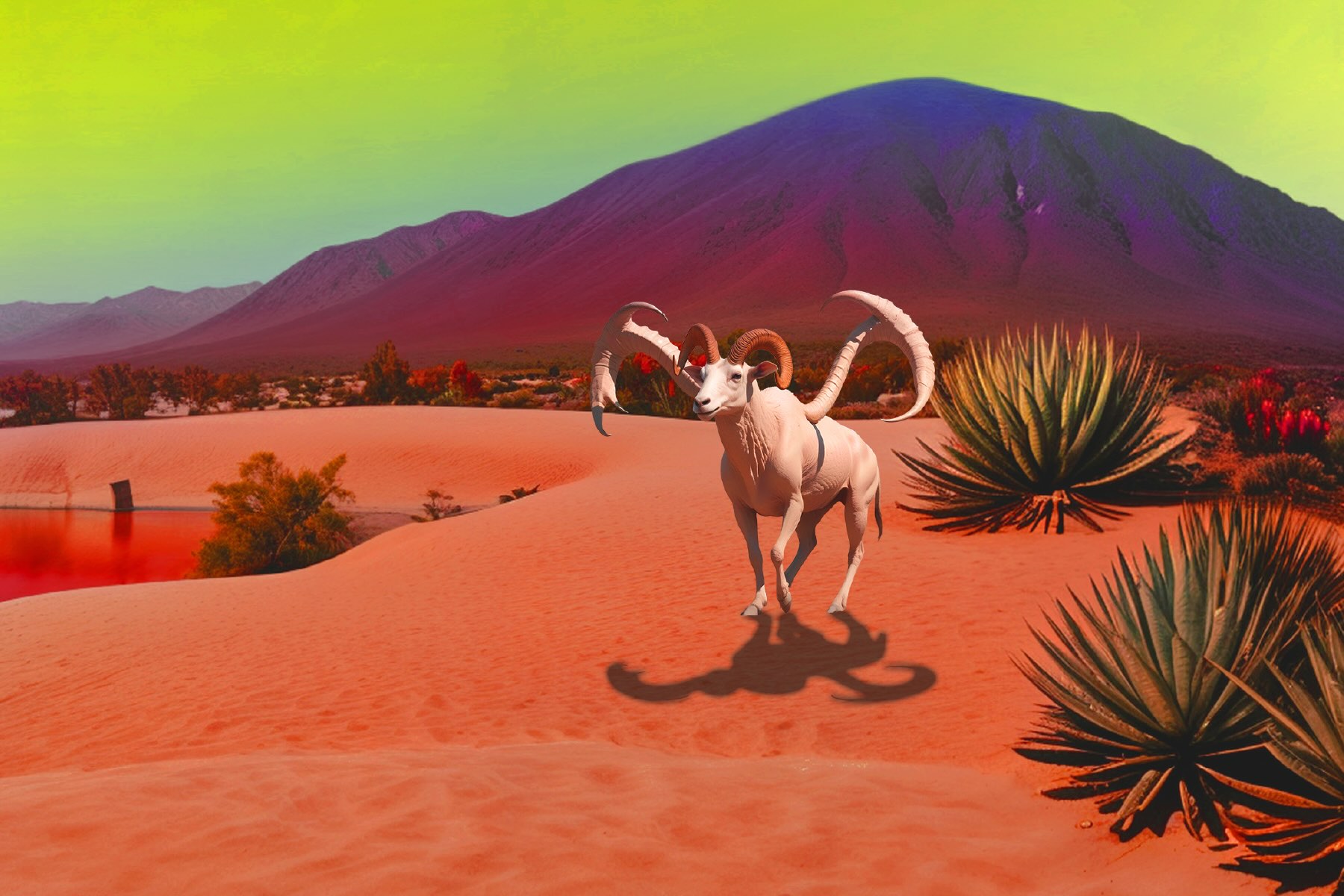
In my own work I have created hybrid organisms: creatures that mix species, technologies, fictions, and forms of adaptation. Sometimes I think these beings resemble certain ways of living and producing in Tijuana. They do not represent a fixed identity, but rather the capacity to combine apparently incompatible codes: north and south, Mexico and the United States, popular culture and the languages of contemporary art, industry and nature, memory and speculation.
These dispersed processes become visible during certain kinds of events or exhibitions, such as the second edition of Tijuana Art Week, which fosters a temporary concentration and is a symptom of the scene's vitality. Its importance lies not only in attracting collectors, artists, and projects from other cities, but also in bringing together for a few days a scene that exists inside and outside the formal framework of the event.
During those days, parallel routes appear: studio visits, conversations, parties, improvised encounters, and collaborations that exceed the official program. Tijuana Art Week makes visible the accumulated effort of projects that work throughout the year and offers a point of entry for those arriving from outside.
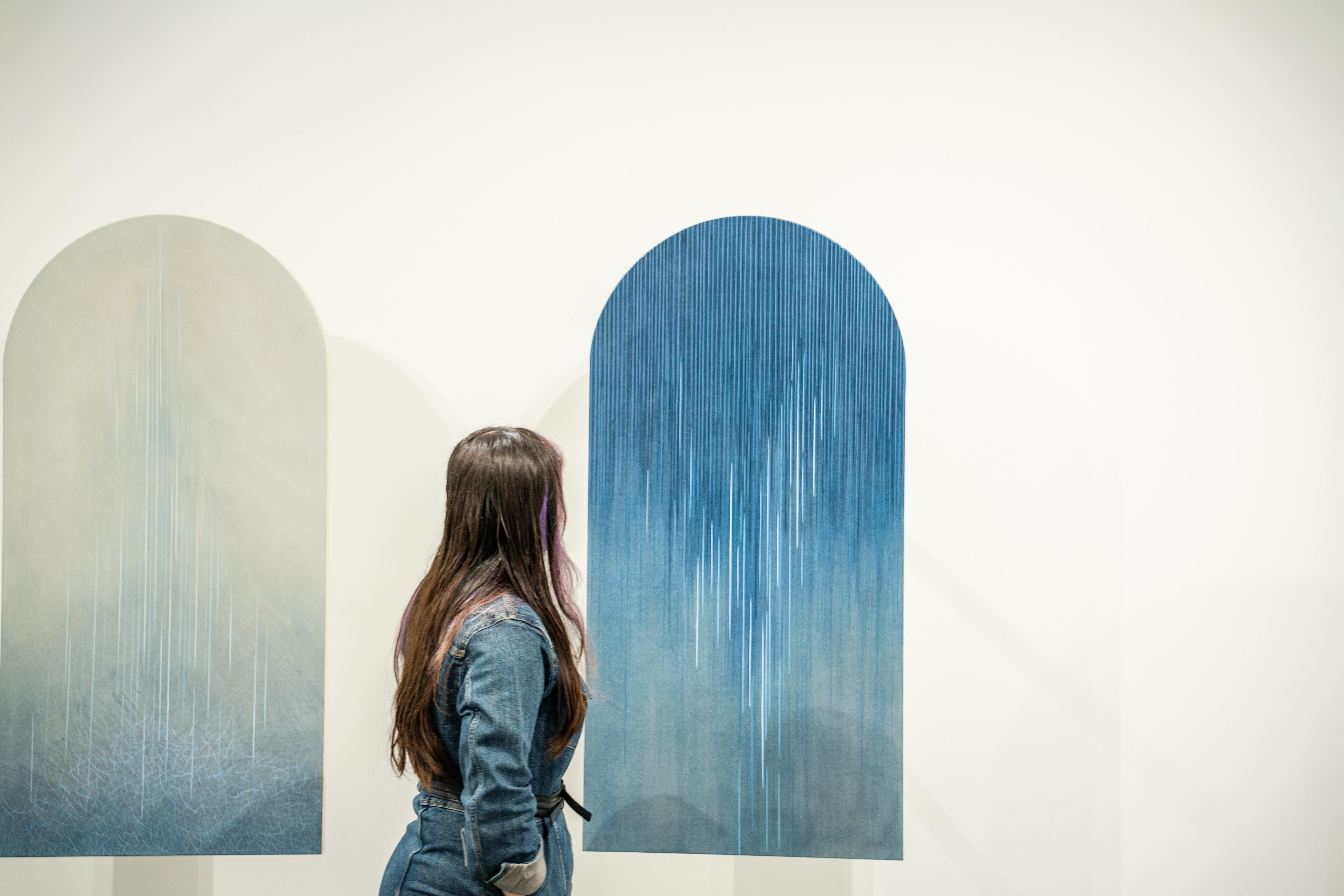
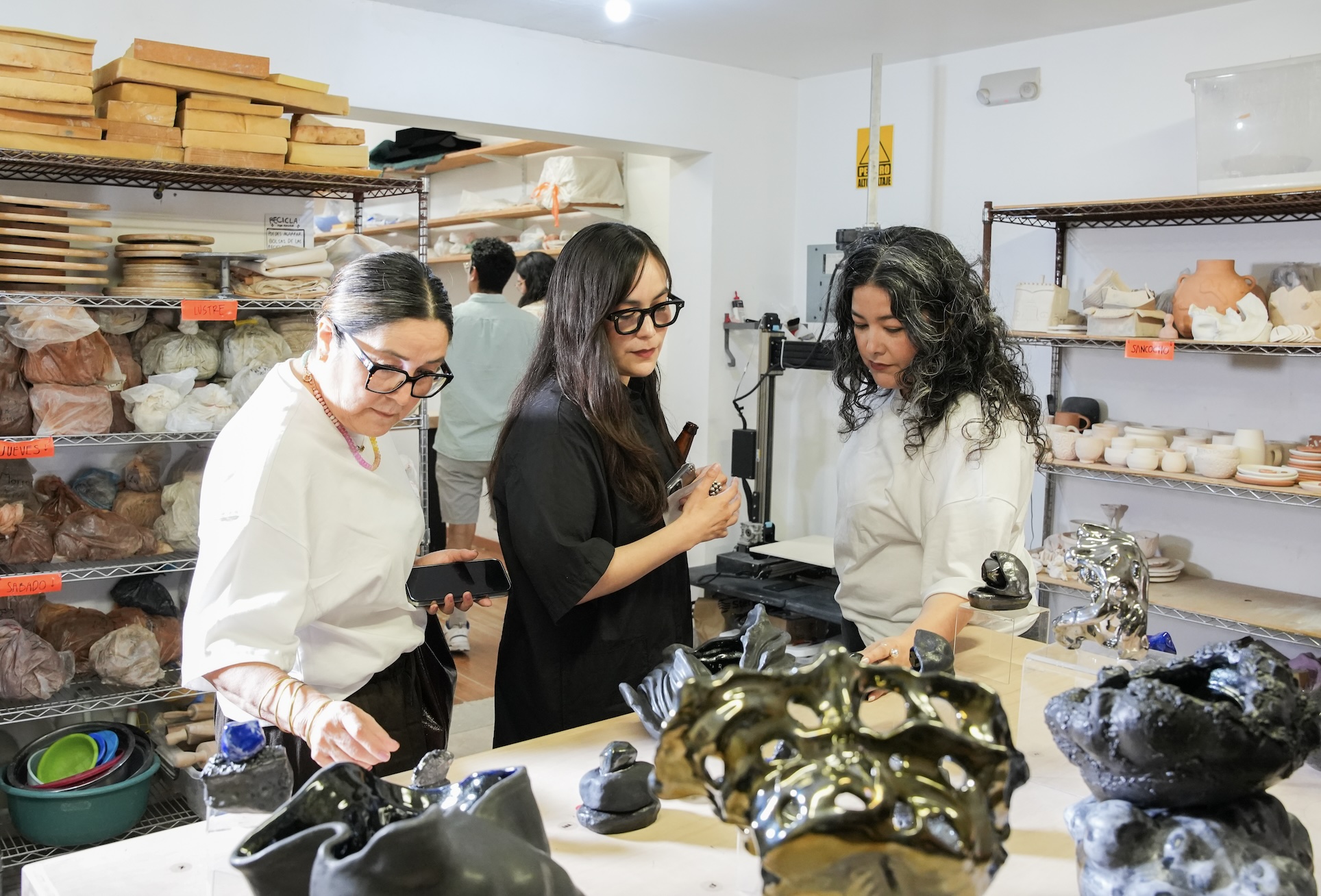
It would be unjust to reduce Tijuana's artistic production to its lacks. Work is produced here because accumulated knowledge, workshops, institutions, archives, collectives, and independent projects exist that are capable of connecting dispersed people. The cultural infrastructure of the region is made of conversations, travels, disagreements, care, and bonds that survive when projects change or disappear.
Tijuana and the cities that surround it already know how to build vessels from found materials. They have done so for decades, exchanging tools, audiences, and knowledge across municipal, state, and national borders.
What would be truly radical is building a network of places where those vessels could land without every journey having to begin from scratch.
1: Founded in 1992, INSITE prioritizes the long-term commitment of artists who develop new works conceived for specific sites and political-social contexts. Through collaborations among artists, cultural agents, institutions, and communities, INSITE’s conceptual framework is rooted in the notion of the public—both in the context of experiences, interventions, and installations in the public domain, and of geographic spaces that have inspired artists to imagine the civic and social sphere. Since 2019, INSITE has developed various new platforms including curatorial projects, artist commissions, publications, conversations, and initiatives based on the INSITE Archive. Retrieved from https://insiteart.org/es/about.
Translated into English by Luis Sokol
Published on Aug 8 2026