Essay
Toward a Mutable Biennial: A System of Visibility That Does Not Depend on a Single Milestone, but on Multiple Resonances
by Luis Hampshire
Reading time
6 min
Since its founding, the Rufino Tamayo Biennial has been a crucial device for tracking the evolution of painting in Mexico. More than a competition, it has functioned as a structure through which to read the tensions, drifts, and continuities of a medium that, far from being exhausted, continues to find new ways to breathe. Its origin responded to the need to defend painting at a historical moment when other languages were beginning to displace it—or at least to place it under suspicion. Today, in an ecosystem where painting has expanded into material, conceptual, communal, and process-based territories, that mission becomes more urgent than ever. The question is no longer whether the biennial is still necessary, but how it must transform in order to accompany the present.
The operability of the current model—open call, jury selection, itinerant exhibition, and prizes—retains its democratic value. However, it also calls for critical revision. While this format works administratively, it falls short of registering contemporary complexity. Today, painting manifests not only on canvas or traditional supports, but in hybrid assemblages, alchemical processes, territorial interventions, material archives, communal memories, and experiments that blur the boundary between object and process. Maintaining a model that evaluates isolated works under strictly competitive criteria risks reducing a vibrant scene to a final verdict.
The biennial’s historical importance is unquestionable. Generations of artists have found in it a point of visibility and legitimation, and its holdings constitute a singular archive for understanding the transformations of painting over the past four decades. Yet its present relevance cannot rest solely on its past, but on its capacity for reinvention. A biennial that aspires to remain pertinent must cease to conceive of painting as a fixed genre and instead understand it as an expanded field, a territory traversed by social, political, and material tensions. Relevance today is at stake in listening: in the institution’s ability to detect the questions emerging from the edges of artistic practice, and not only from its legitimized centers.
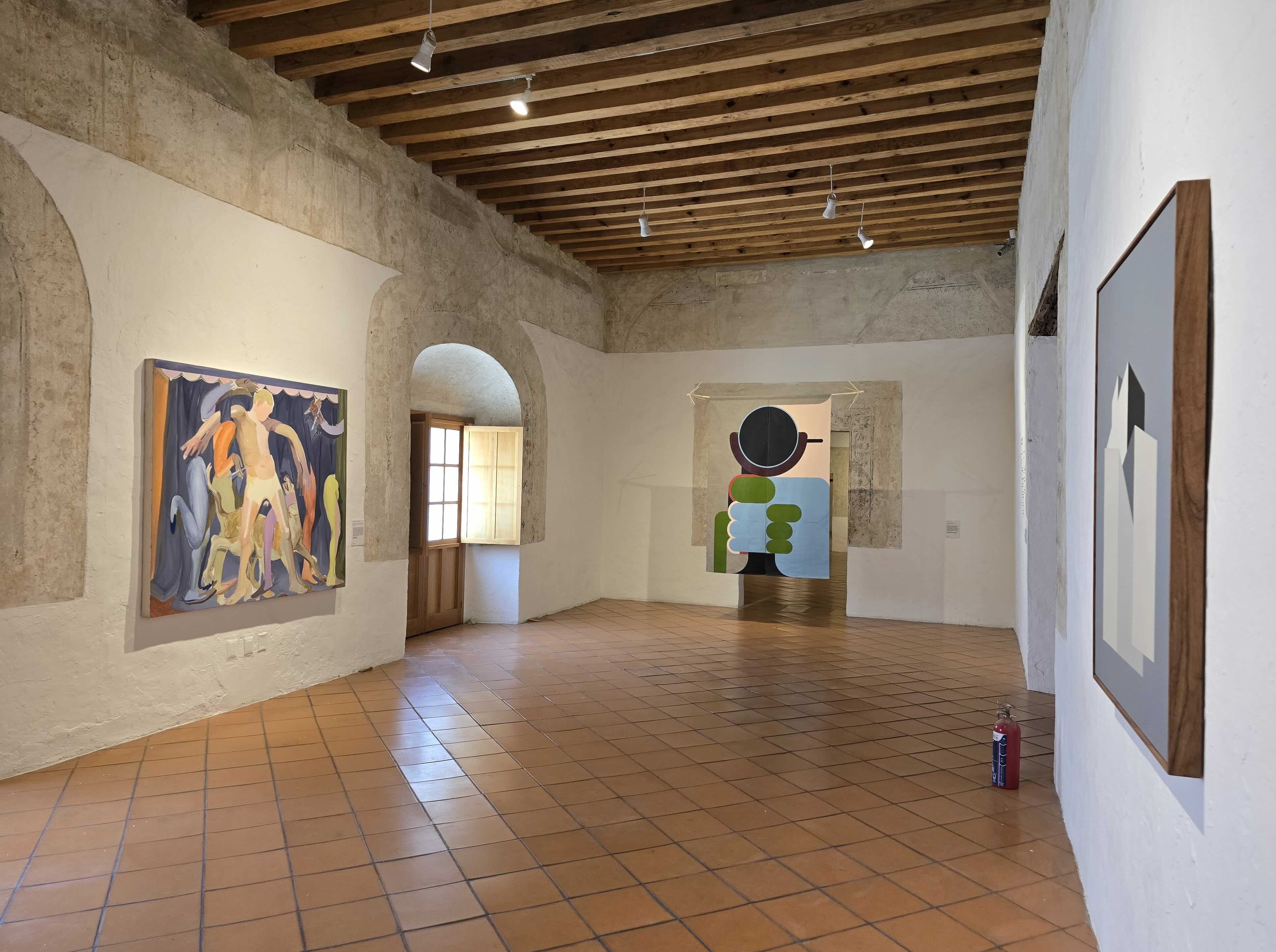
The figures from the current edition are telling: 971 participating artists, 1,090 works, representation from 30 states, and 39 Mexican artists based abroad. This breadth speaks to a diverse and decentralized pictorial community, but it also reveals the limitations of the traditional model. How can such a vast phenomenon be condensed into a final selection? What is omitted when the format compels the choice of “the best” according to necessarily partial criteria? For the biennial to remain alive, it must abandon the illusion of total representativeness and accept that its strength lies in constructing readings, not in issuing verdicts.
Imagining its future allows us to conceive of it as a mutable biennial, capable of integrating research, curatorship, critical accompaniment, and territorial activation. Rather than replacing the existing model, the task would be to expand it. One possibility would be to complement the monetary prize with a curatorial prize granting the selected artist or artists the opportunity to develop a solo exhibition at the Museum of Contemporary Art and Cultures of Oaxaca (MACCO), accompanied by a process of critical reading and research. Such a gesture would move beyond immediate recognition and invest in the long-term strengthening of artistic poetics.
Likewise, a biennial observation system would make it possible to transform the biennial into a constellation in process. Curators from the Tamayo Museum, MACCO, and invited agents could follow, over two years, the production of a broad group of selected artists. This accompaniment would enable the construction of a shortlist based not on isolated works, but on processes, risks, and explorations. In doing so, the biennial would cease to reward results and become a space in which practices are thought through, debated, and supported.
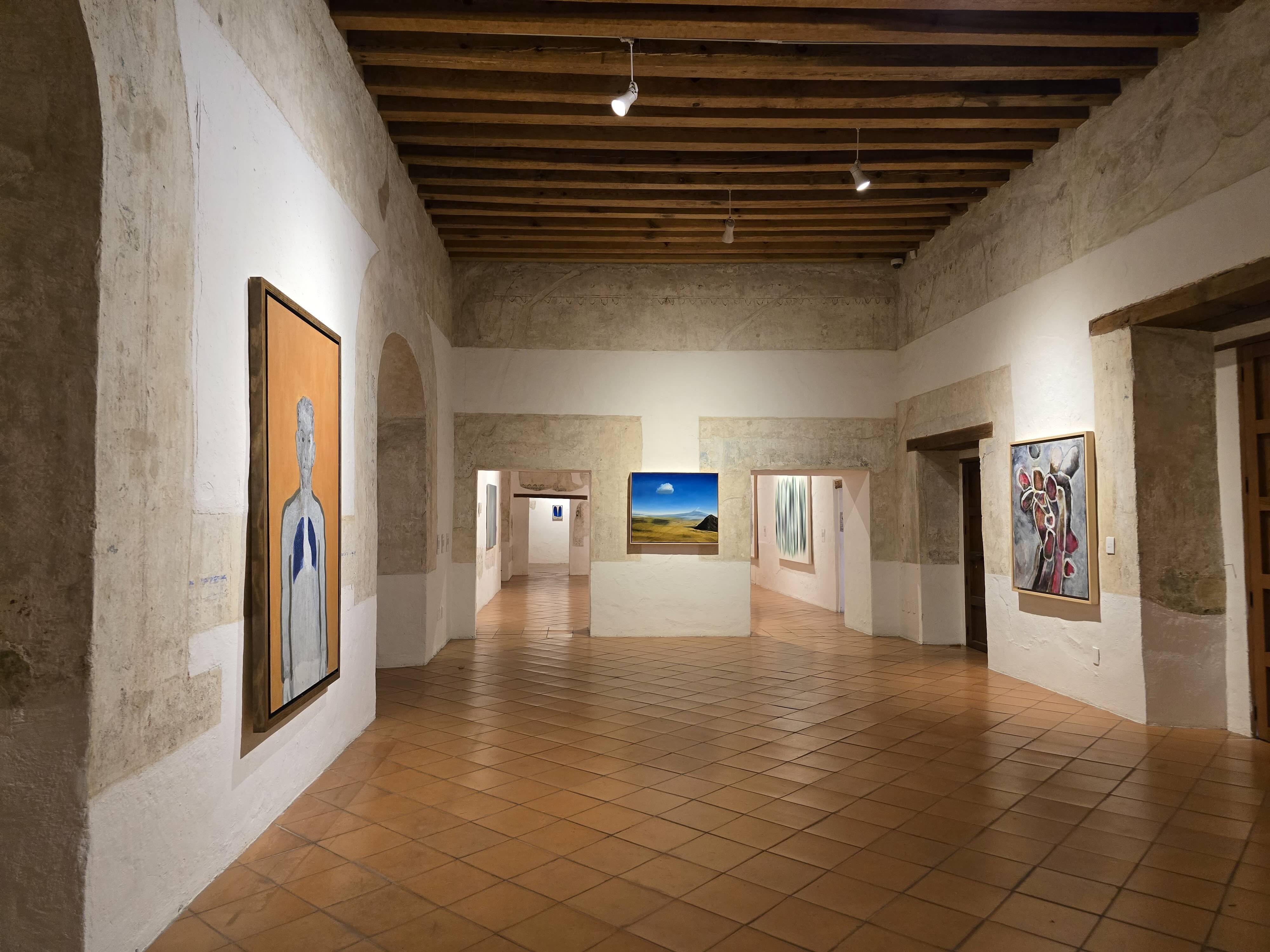
Another fundamental aspect is the decentralization of visibility. Instead of concentrating its force in a single final exhibition, the biennial could be activated across multiple physical and digital venues, articulating seminars, critical publications, residencies, and regional collaborations. Painting, understood as an expanded field, gains depth when it is linked to its territory of origin, the material conditions that make it possible, and the communities that sustain it. In this sense, the biennial could become a distributive platform: a system of visibilities that does not depend on a single milestone, but on multiple resonances.
Similarly, the accumulated collection should be thought of as a living archive rather than an inert repository. Activating it through historical curatorships, lines of research, and pedagogical programs would reconnect the past with the urgencies of the present. Mexican painting cannot be understood without revisiting what the biennial has preserved, selected, and omitted throughout its history. Rereading that archive from a contemporary perspective—marked by social crises, displacement, territorial struggles, and practices of resistance—would grant new meaning to its legacy.
In a world traversed by war, exhaustion, cultural homogenization, and the collapse of meaning, a painting biennial is not a decorative event: it is a space of critical resonance. The 20th Tamayo Biennial took place as a collective pulse after a forced hiatus, as a gesture seeking to reactivate conversation through the sensible. It inherited the intuition of Rufino Tamayo, who imagined painting as a language capable of crossing borders without severing itself from its territory. That spirit is renewed today in the need to build a platform that is more porous, diverse, and connected to what burns and resists.
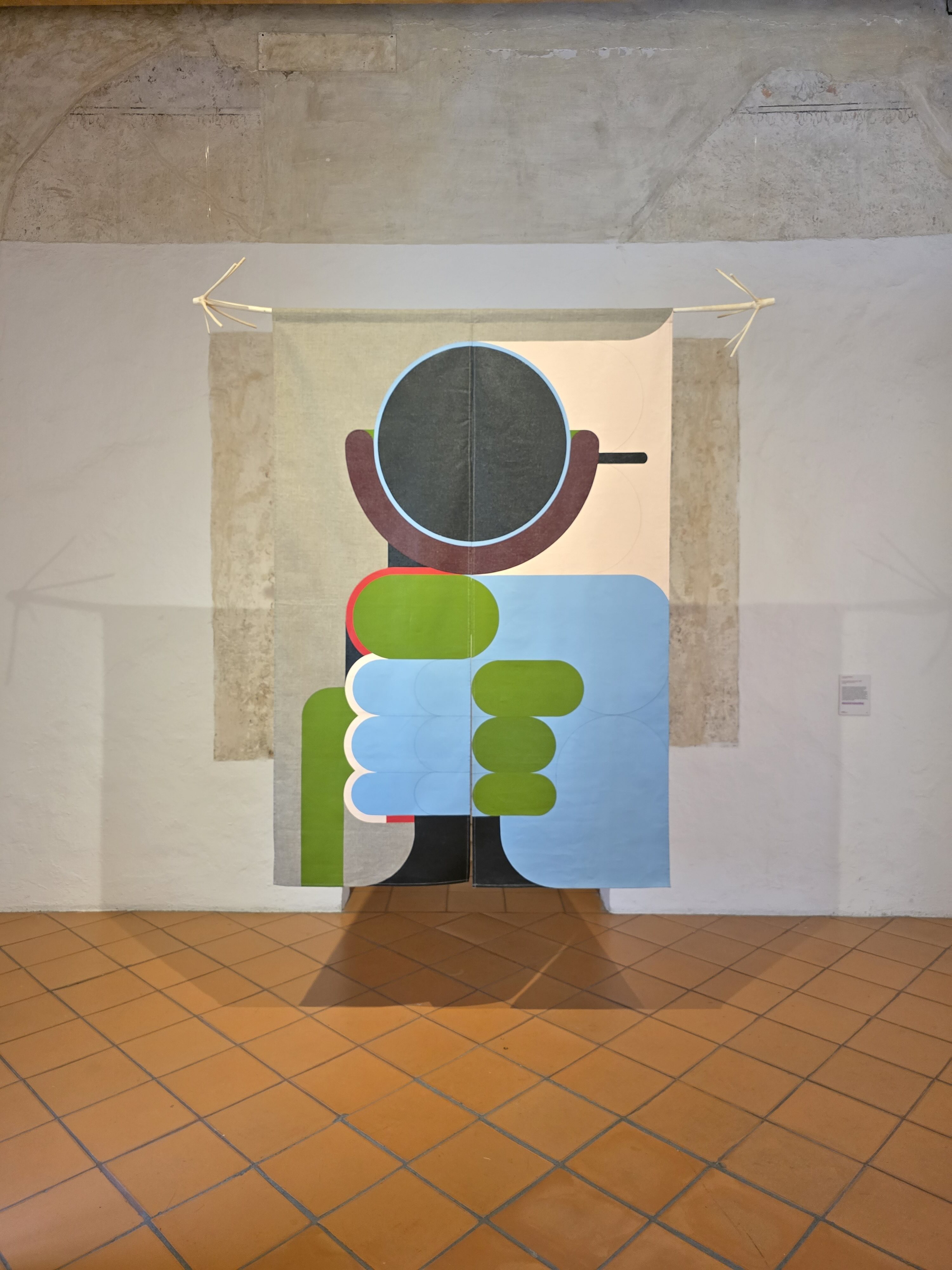
The biennial of the future—if it is to be relevant—cannot limit itself to awarding works. It must think about the conditions of production, the bodies that paint, the territories that sustain the practice, the politics that traverse it, and the materialities that transform it. It must be able to articulate processes, accompany research, and open doors, not merely close verdicts. In short, it must mutate.
The 20th Rufino Tamayo Biennial opened a symbolic and institutional threshold. The challenge lies in imagining how to cross it. A biennial that breathes with time, accompanies the questions of the present, and transforms its own mechanisms can become the space Mexican painting needs. Not a podium, but a laboratory; not a competition, but a conversation; not an immobile archive, but a living organism. To imagine such mutable biennial is not only to project its future, but to consider the possibility that painting, as a critical and vital language, may continue to rehearse worlds.
Translated into English by Luis Sokol
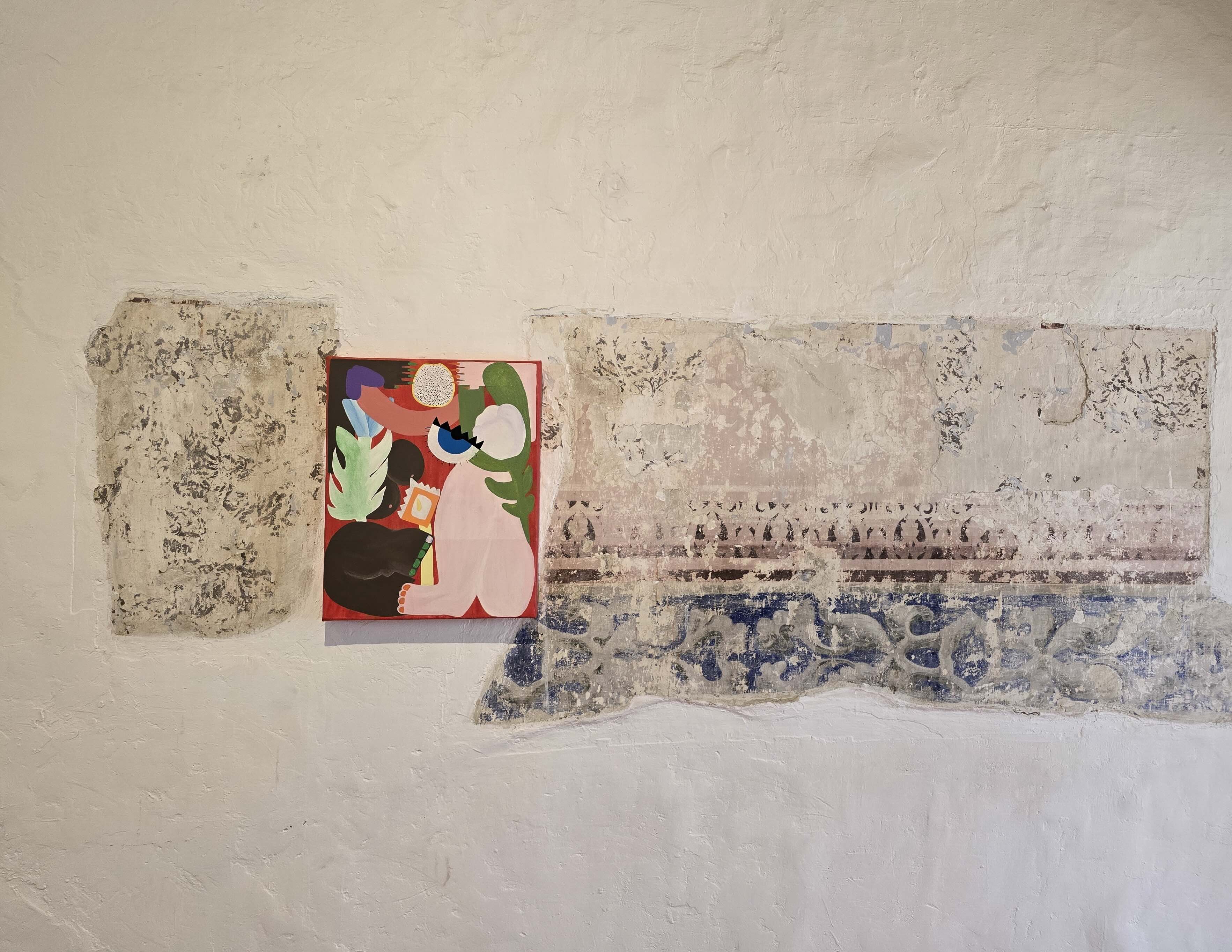
Cover picture: Laura Meza Orozco (honorable mention), XX Bienal de Pintura Rufino Tamayo, MACCO (Museo de Arte Contemporáneo y de las Culturas Oaxaqueñas), Oaxaca, 2025. Courtesy of MACCO
Published on Jan 16 2026