Essay
Smuggling Dissent: "Atravesar el lago", Casa del Lago UNAM
by José Imanol Basurto Lucio
Reading time
12 min
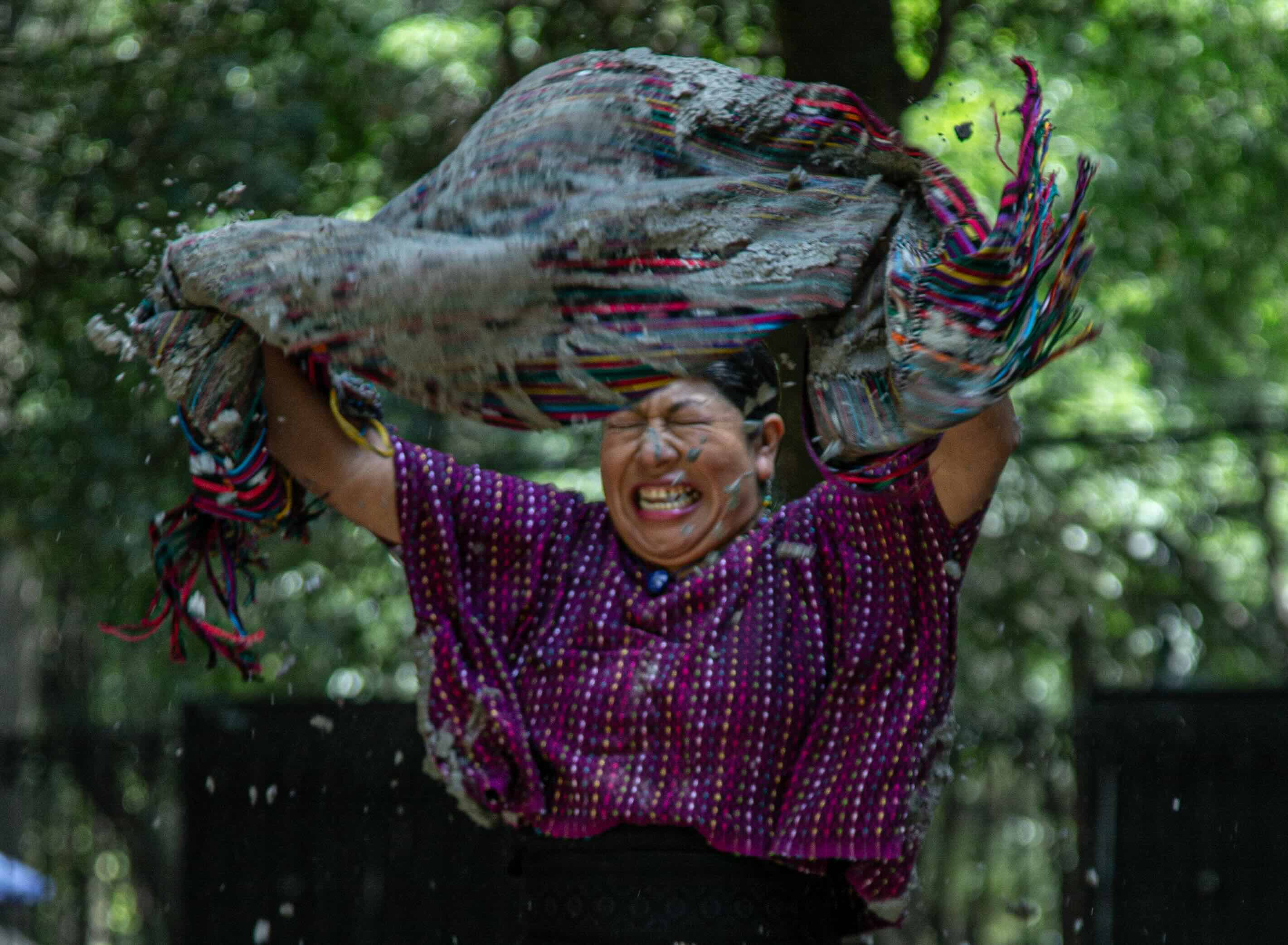
When I visited Atravesar el lago, a cycle of performances programmed at Casa del Lago, curated by Adonay Bermúdez, I was confronted with a certain unease that I could not fully understand at the time.¹ At first, I could not find a relationship between what the curator had anticipated and the performative experiences that had taken place, as the dialogue between each gesture seemed rather dissonant. The circumstances of this experience revealed to me a troubling symptom of the current cultural landscape: a curatorial politics that attempts to show "the indigenous" as artistic style-category and identity enunciation, but that does not manage to question the colonial logic such a criterion brings with it.
continue reading
Interview
Embodying the Map. Interview with Michelle Sáenz Burrola
by Sofía Ortiz
Reading time
8 min
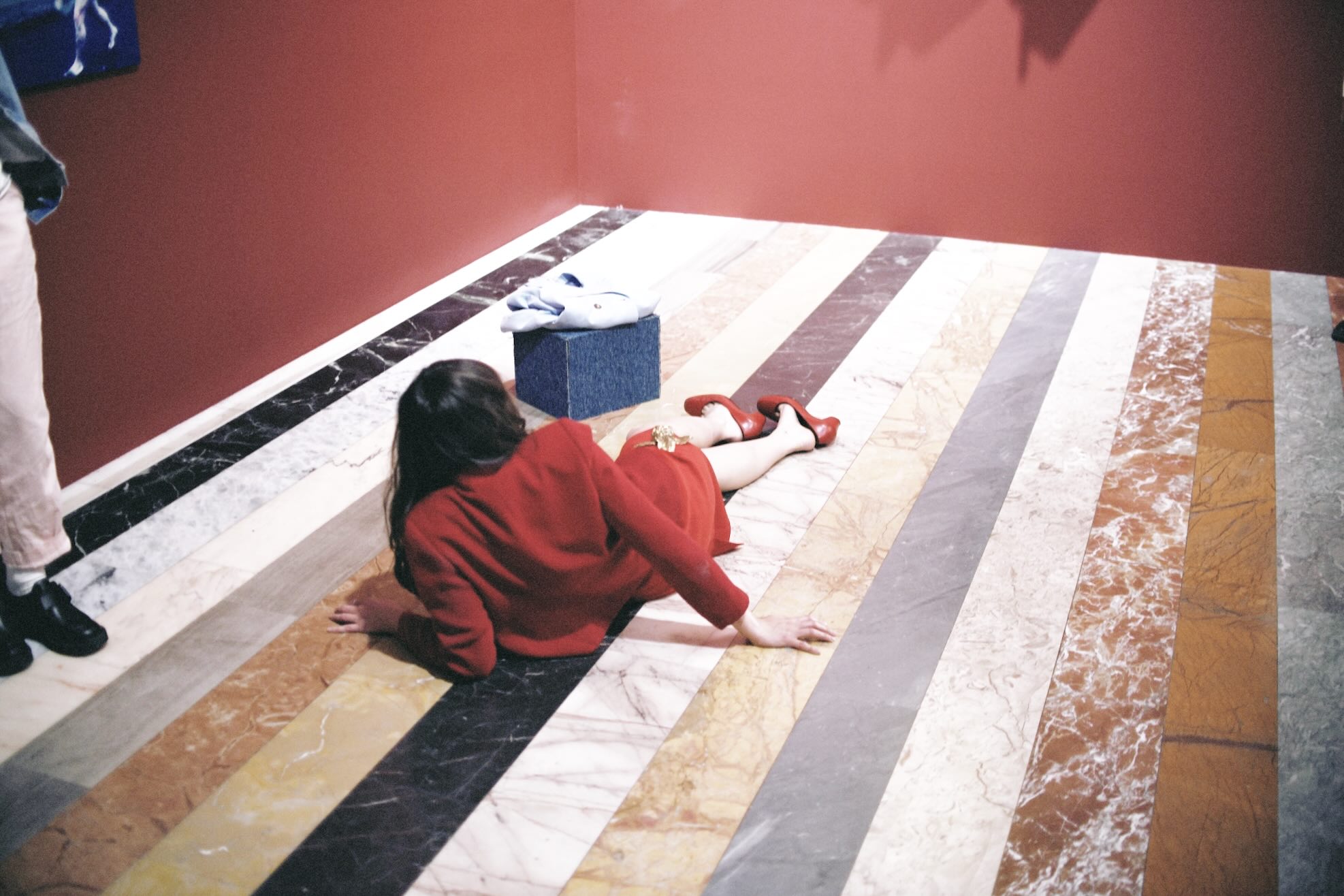
"Dancing is very joyful and it fills me with happiness" is the last thing Michelle Sáenz Burrola says to me at the end of a conversation framed between eating tostadas at the market and my appointment with my therapist. Although Michelle works with video, object, and performance, I met her outside of galleries and art talks; I met her dancing. Over the course of our conversation, I came to understand her work as a constellation in motion: a series of discrete interests interconnected by gestures and intuited stories. I also get the image of a large stack of tracing paper seen from above, in such a way that all the layers are transparent and we understand all the ideas at the same time, one on top of the other. In this stack of paper—Michelle's work—all the sheets have titles like: Proyección de Mercator, Movimientos de gusanos, Rutas comerciales de la mandarina y Amor en las islas de la UNAM.
continue reading
Review
Baby Eyes. Julián Madero at Proyecto Mono Rojo
by Fernanda Ballesteros
Reading time
2 min
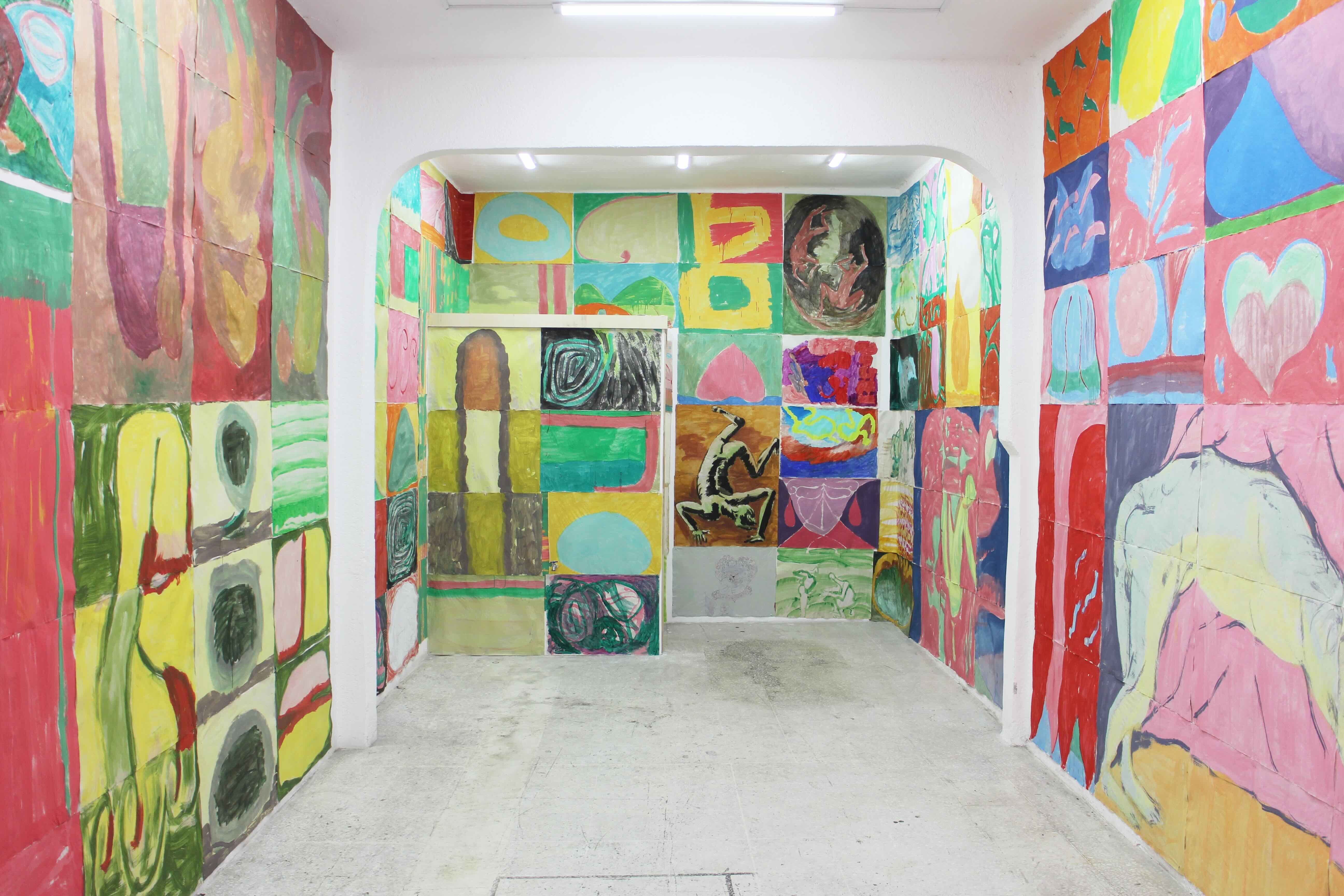
To express is to squeeze so that something comes out, Madero told me. In his painting, he prefers to rock in a baby's dialogue. The words behind his colors melt at the edges or splash around in cosmic eggs. Julián avoids the delicate, ceremonious approach to the stretched canvas: what he seeks is to lose control, to let go, to play with thin acid-soaked sheets that crinkle and receive marks without fear.
continue reading
Review
Flat things whose way of unfolding is standing up. Christian Camacho at Galería Karen Huber
by Eric Valencia García
Reading time
4 min
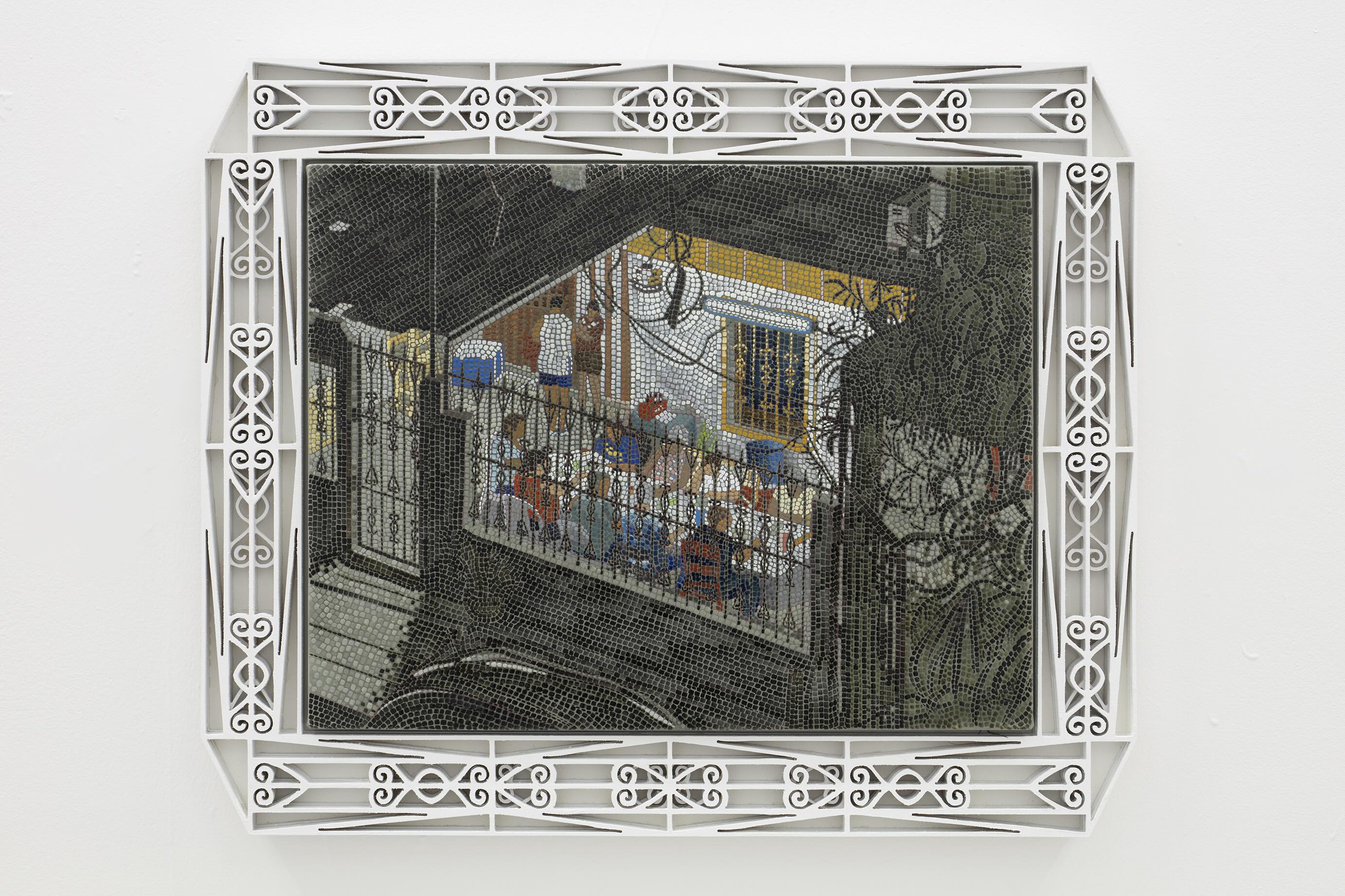
Christian Camacho's work draws attention through its subtlety. It is as if through it he shows us what objects do in secret. His works are laboratories: spaces where he places "things to see how their relationships function"¹, things that can be an angle, a reflection, a transparency.
continue reading
Interview
May 16 2026
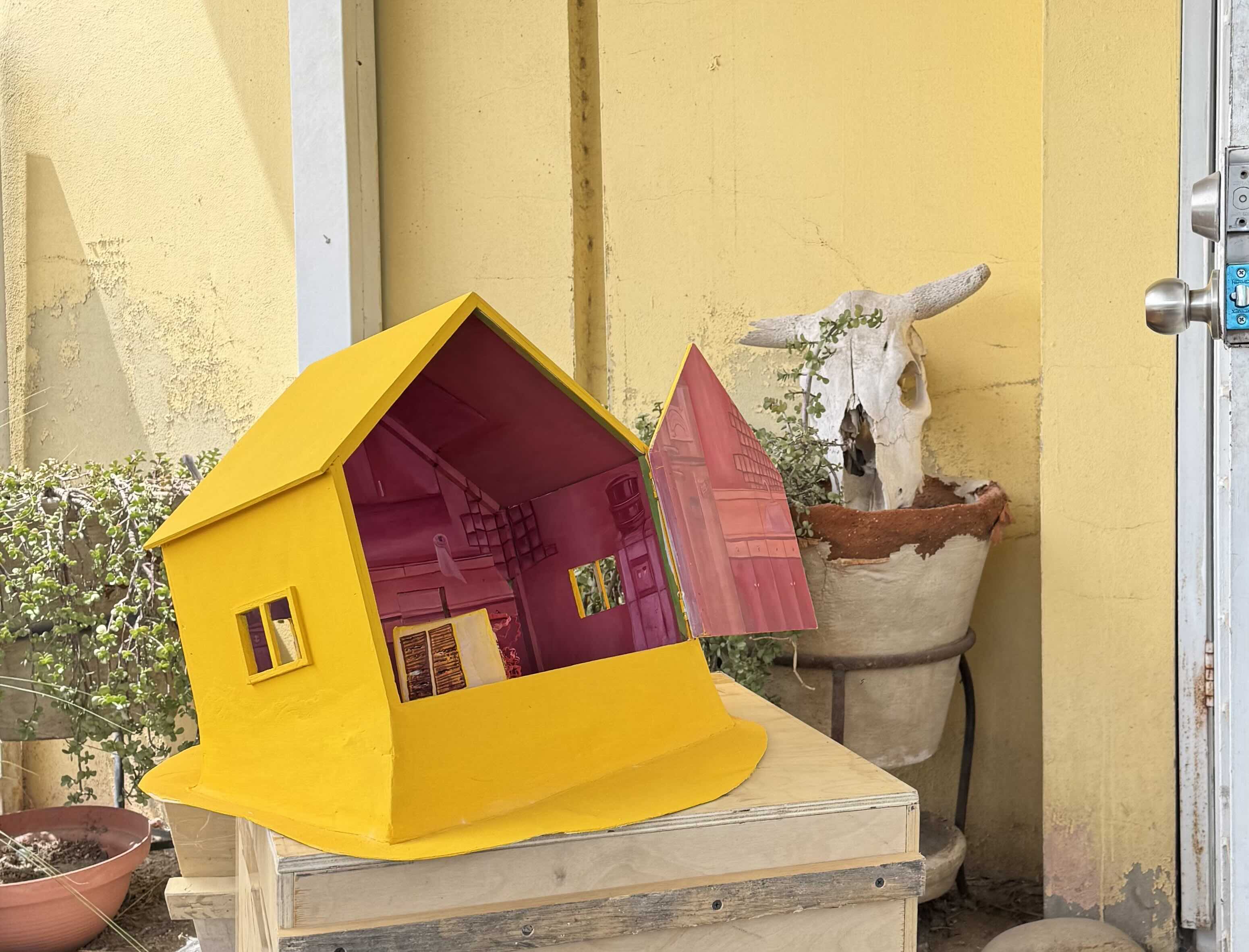
Headstrong Artists Sprout from the Desert: A Conversation with Curator Mayté Miranda on the Mexicali Art Week
by Josephine Dorr
Review
May 8 2026
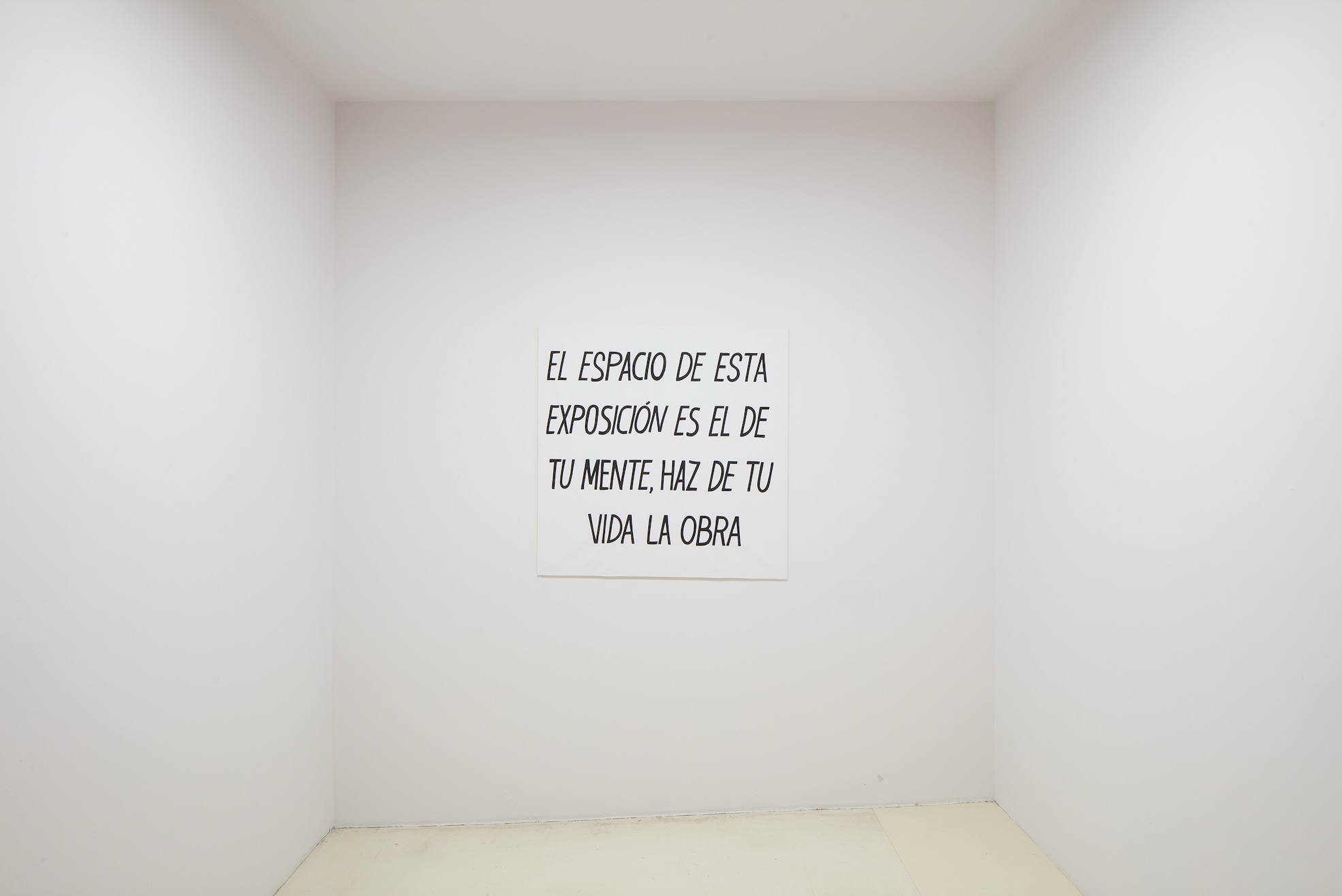
When Does a Work of Art End? No-Objetualismos at Museo Universitario del Chopo
by Carolina Magis Weinberg
Review
Apr 28 2026
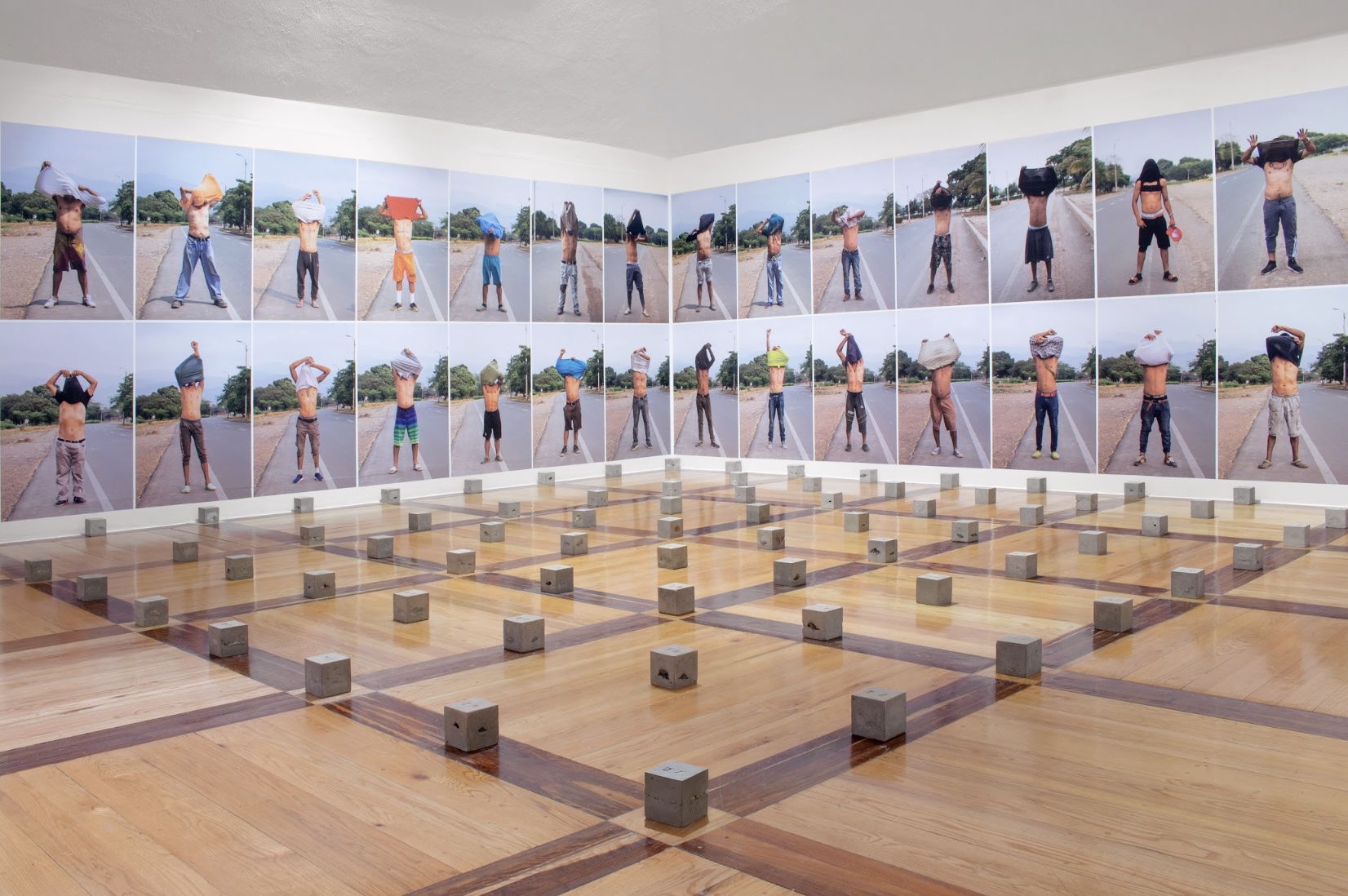
Pain, Materiality, and Bodies in "¿Cómo salimos?" by Teresa Margolles at Museo de Arte Contemporáneo de Monterrey
by Zara Almazán
Review
Apr 15 2026
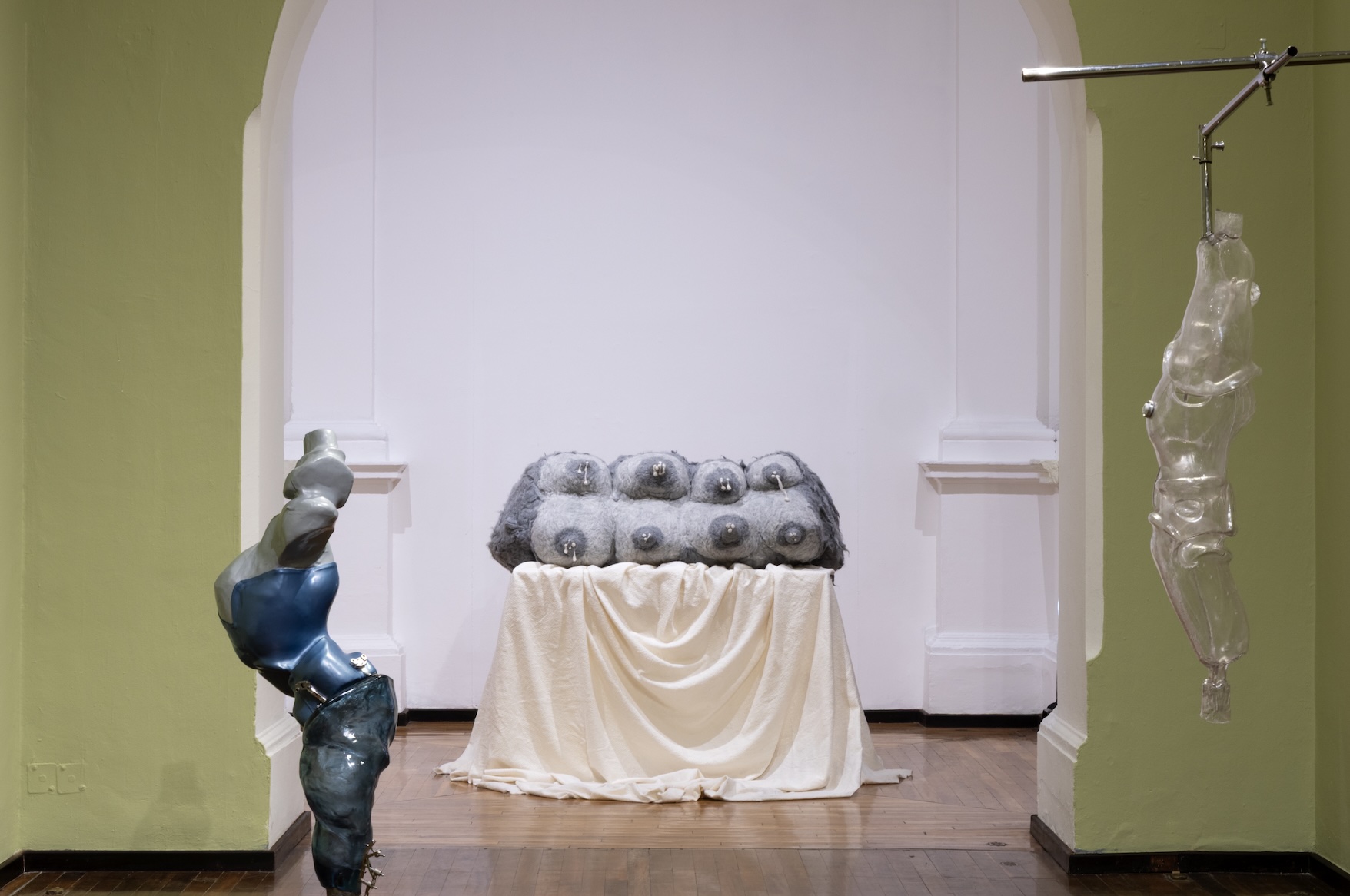
Attention Fixed on Mutation: On “Deseos Diferentes” at Museo Cabañas
by Alejandra Arreola
Interview
Apr 8 2026
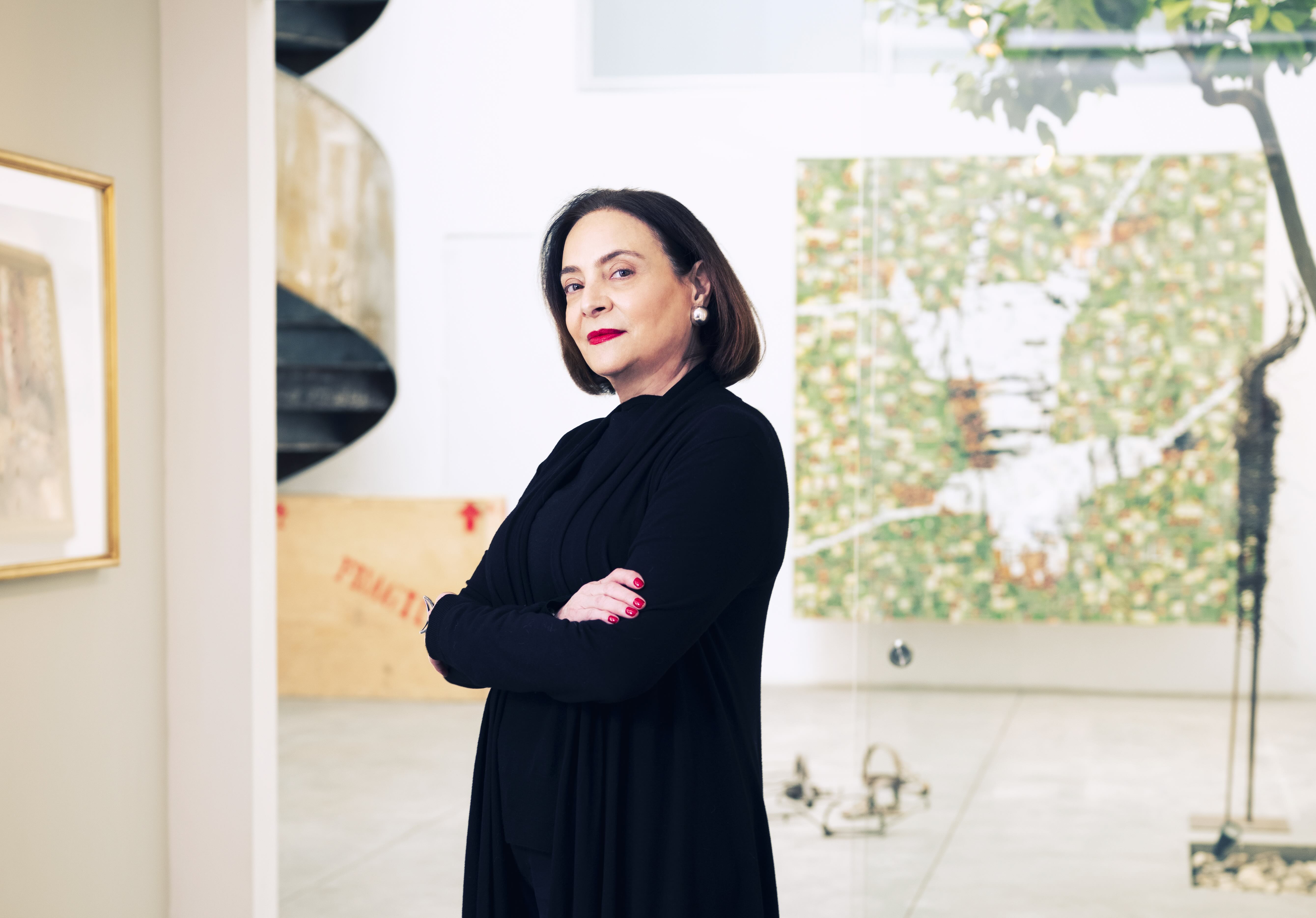
Interview with Patricia Conde: Photography as a Medium for Storytelling
by Josephine Dorr
Review
Mar 26 2026
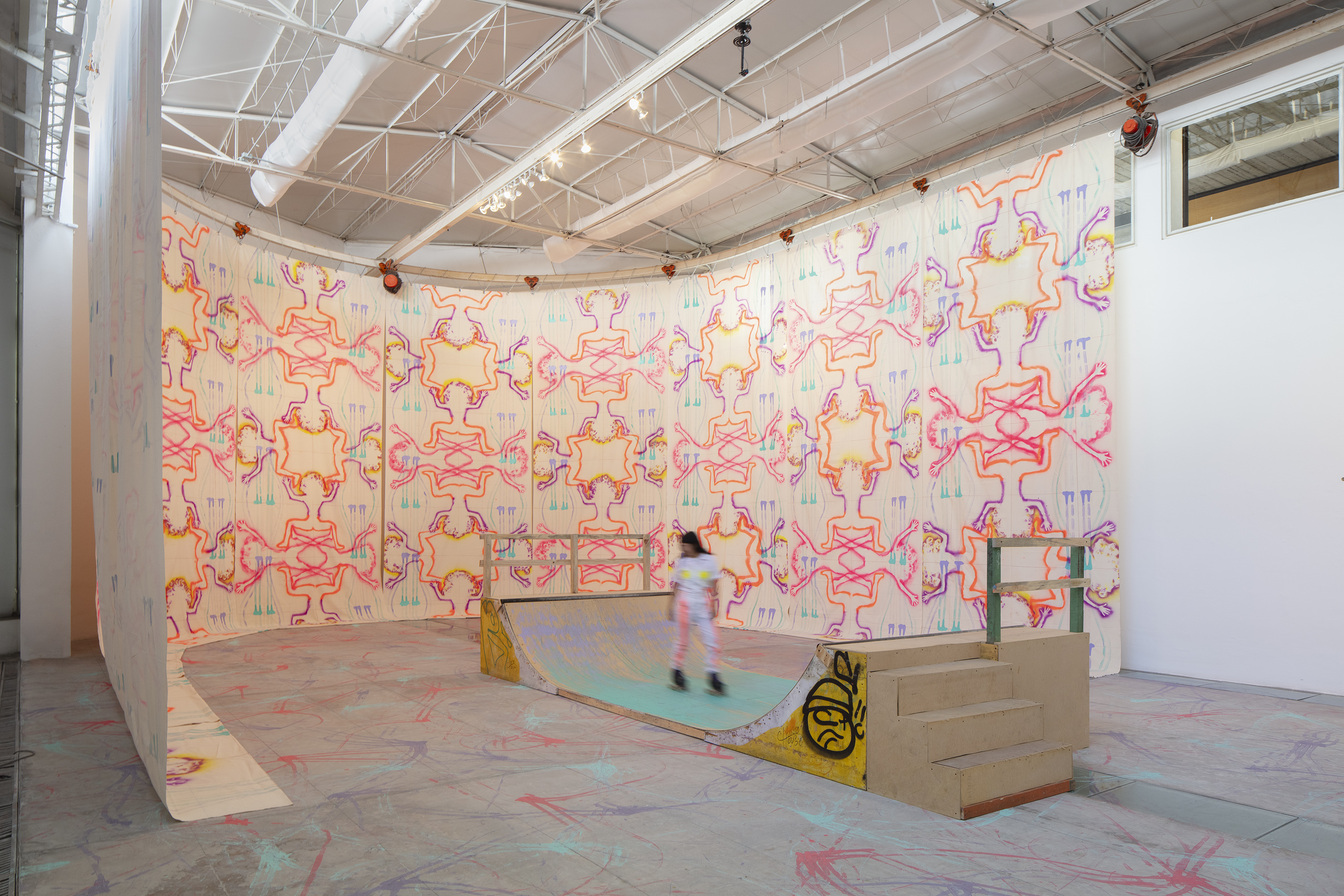
Aurora Pellizzi at La Tallera: Constant Surprise
by María Olivera Monroy
Interview
Mar 18 2026
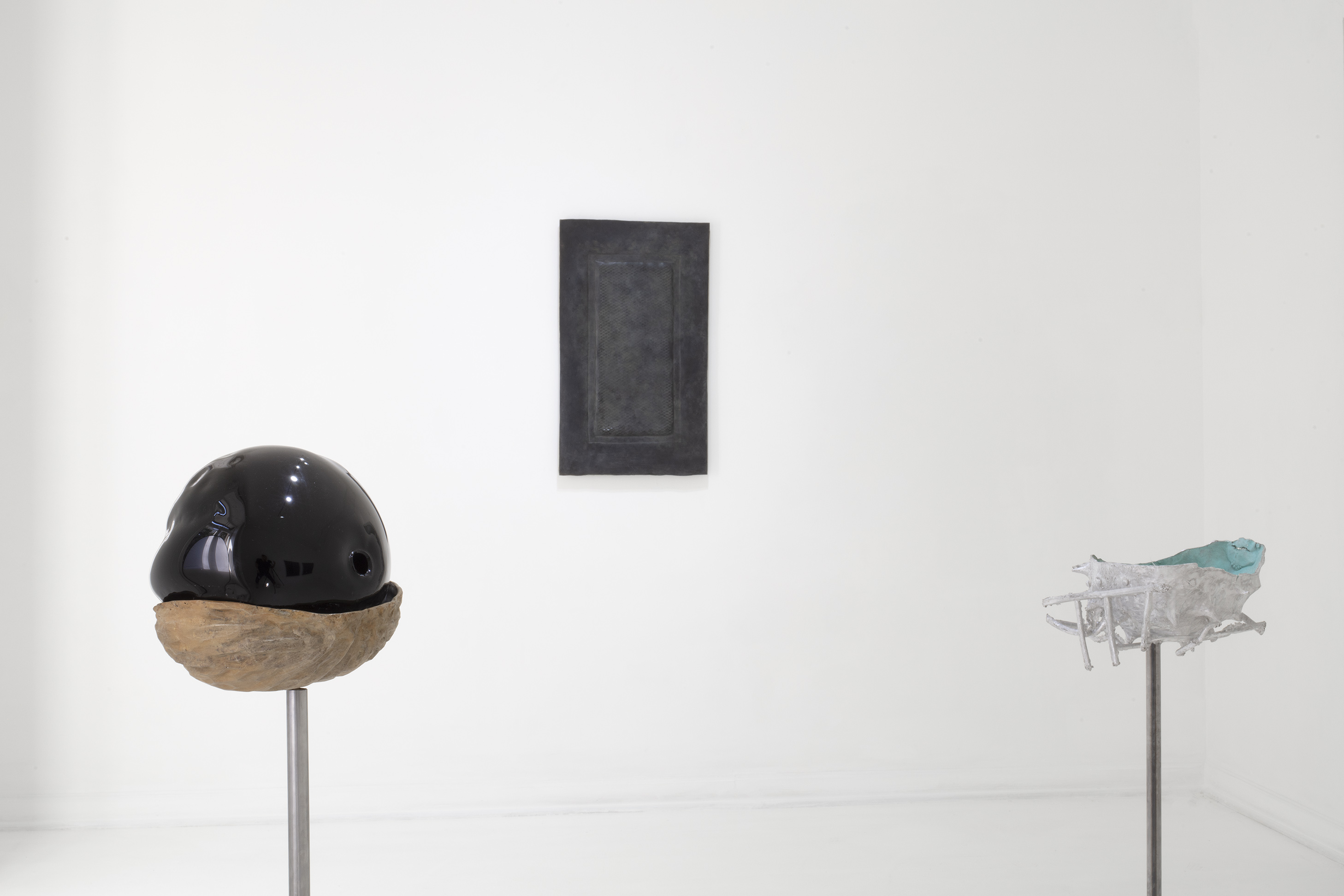
Another Breath Inhabits the Air. Interview with Tania Pérez Córdova on "El aire, hoy" at Travesía Cuatro
by Jimena Cervantes
Review
Mar 11 2026
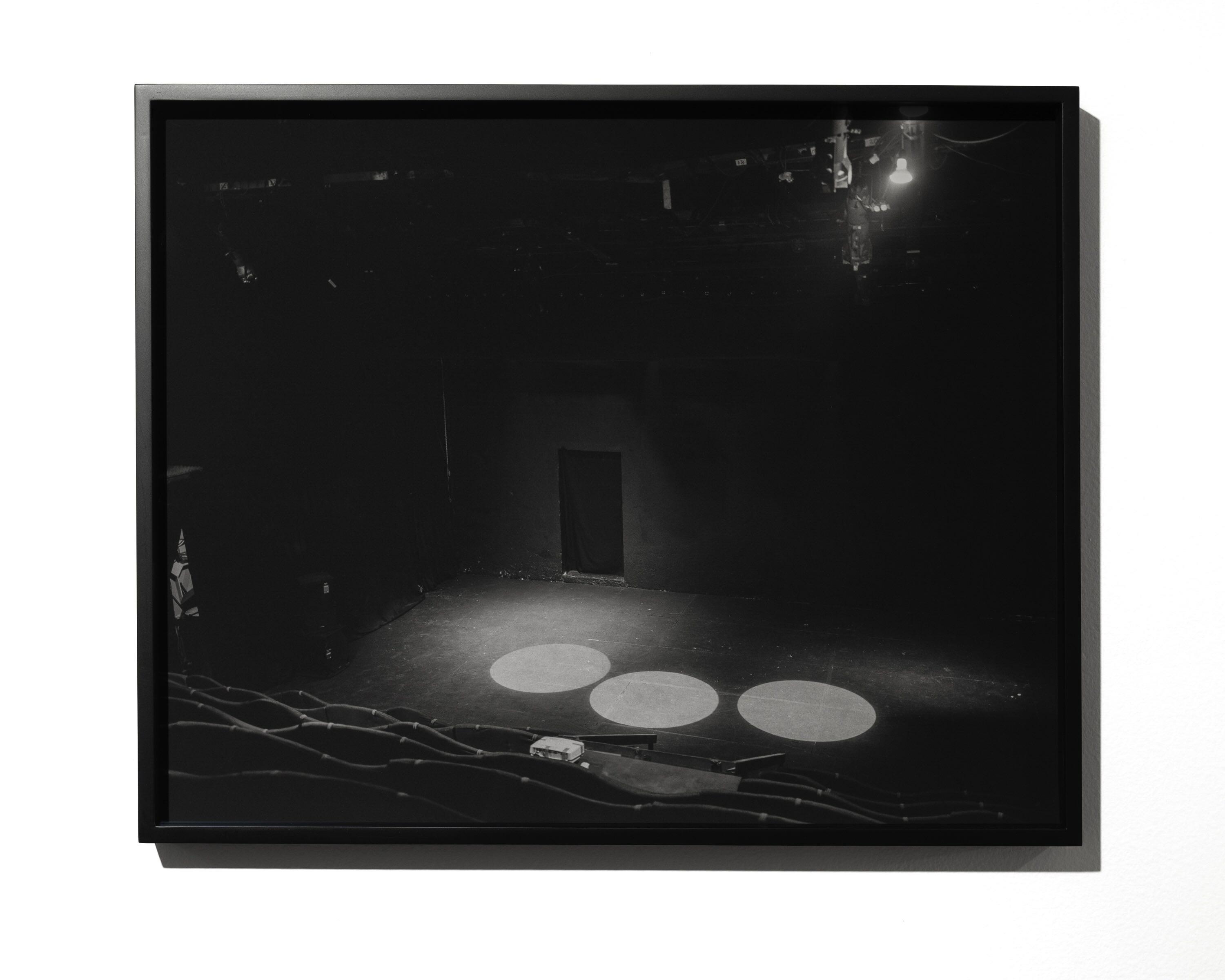
On Theatrical Spatiality in “Drama mexicano” by Yvonne Venegas at Lateral
by Mariel Vela
Review
Mar 3 2026
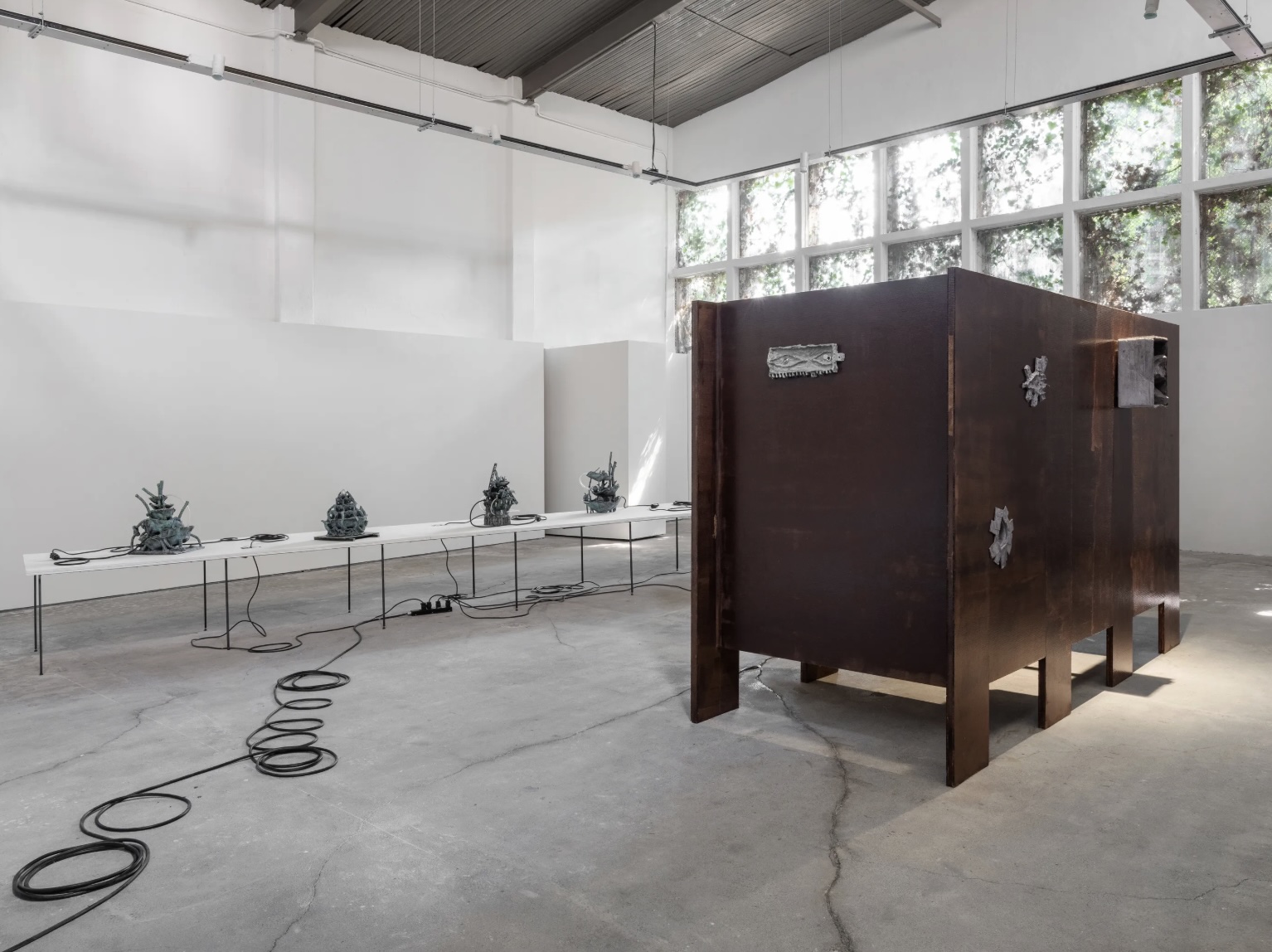
Alloy–Contradiction. On "Withdrawal" by Tomás Díaz Cedeño at PEANA
by Bruno Enciso
Interview
Feb 25 2026
Interview with Tino Sehgal at EstaciónMAZ: The Passage as Useless Expenditure
by Sandra Sánchez

Review
Feb 17 2026
Controlled Aggression: On "Good Boy" by Eyibra
by Stefanía Acevedo
Essay
Feb 8 2026
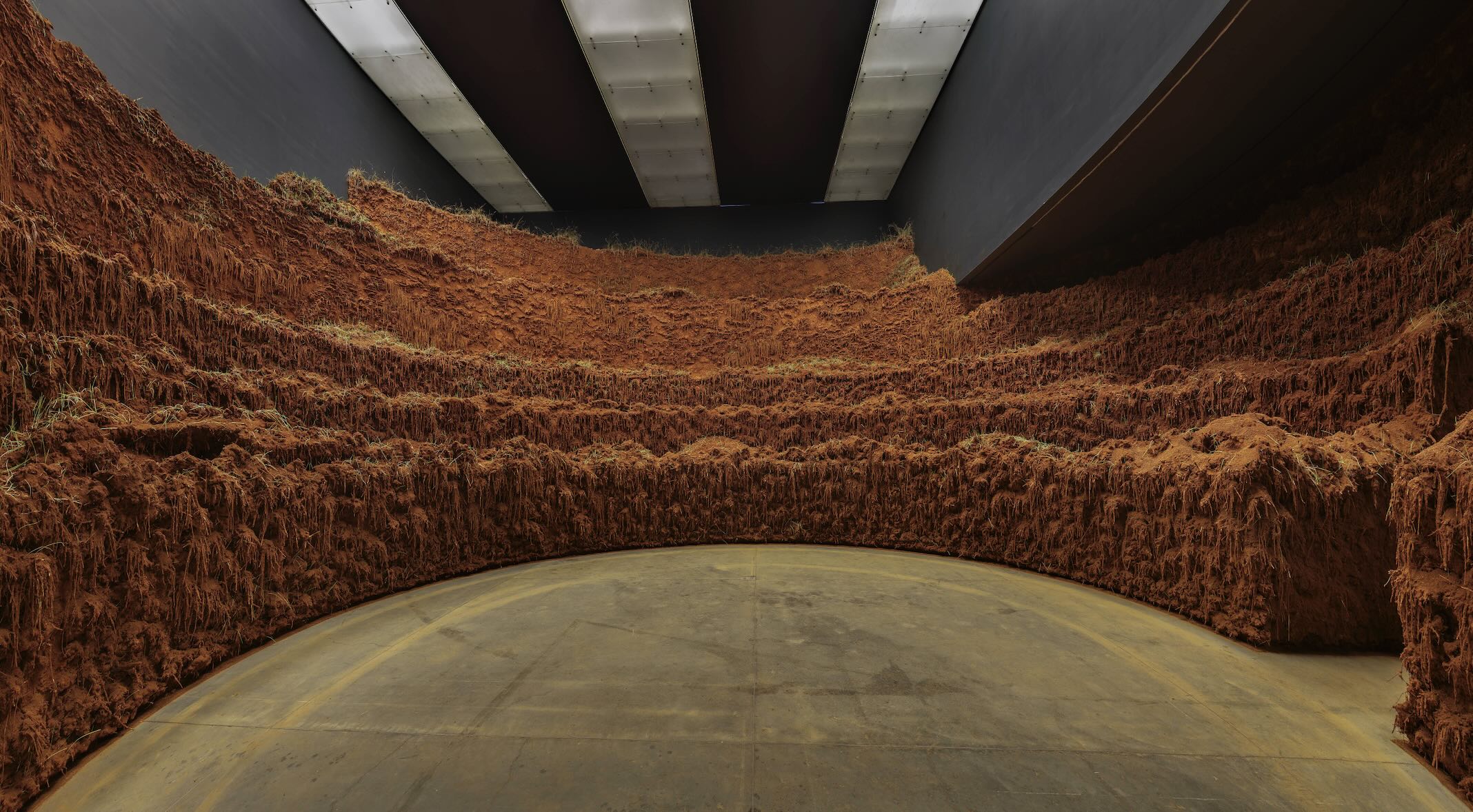
The Arts of Monoculture and Care in Art: "Espacio vientre" by Delcy Morelos at the MUAC
by José Imanol Basurto Lucio
Review
Jan 31 2026
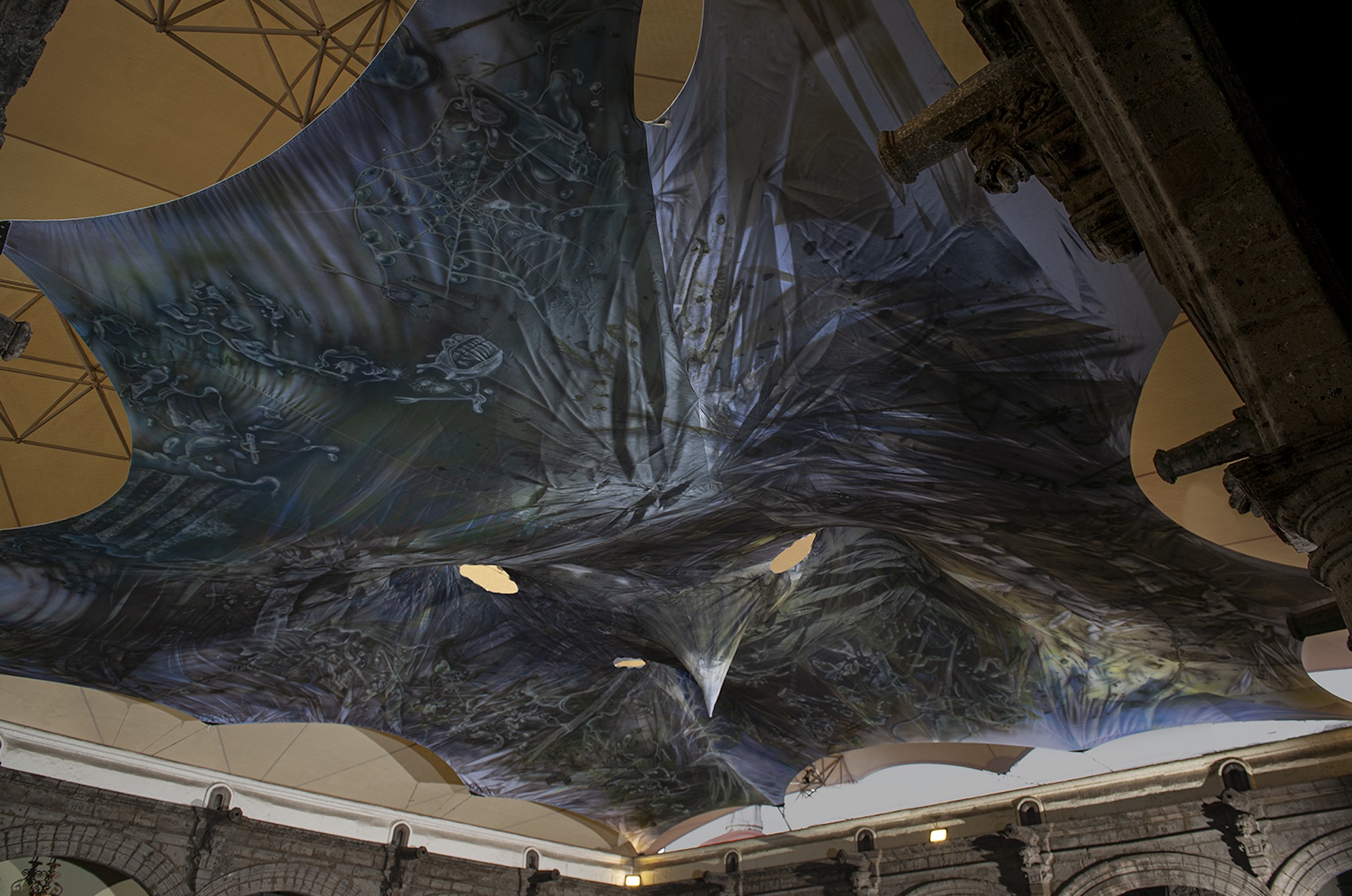
Guess Who. On "Broken Column" at the Museo de la Ciudad de México
by Constanza Dozal
Article
Jan 23 2026
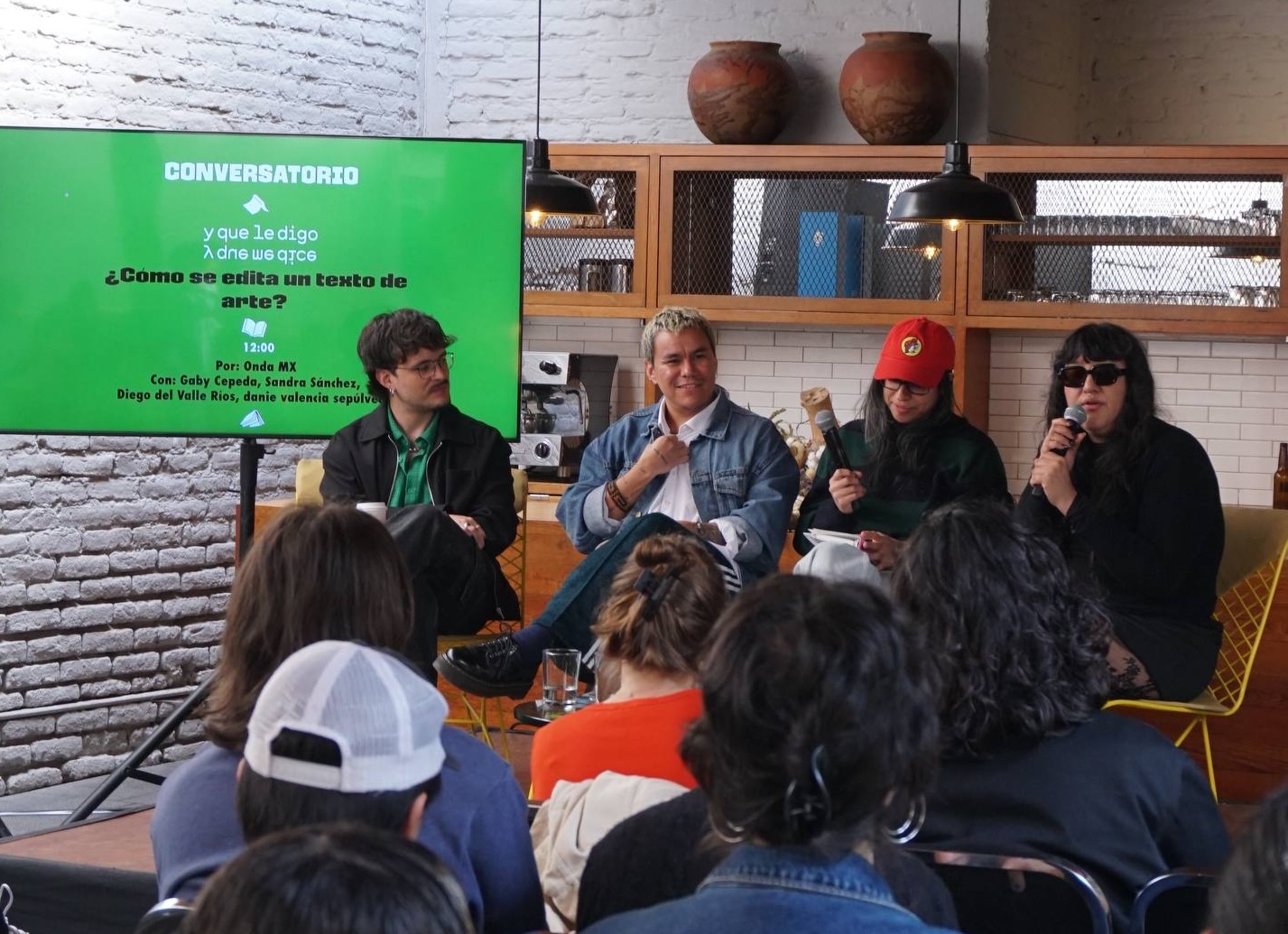
y que le digo y que me dice: How Do You Edit an Art Text? Summary of Our Talk #4
by Sandra Sánchez & Josephine Dorr
Essay
Jan 16 2026
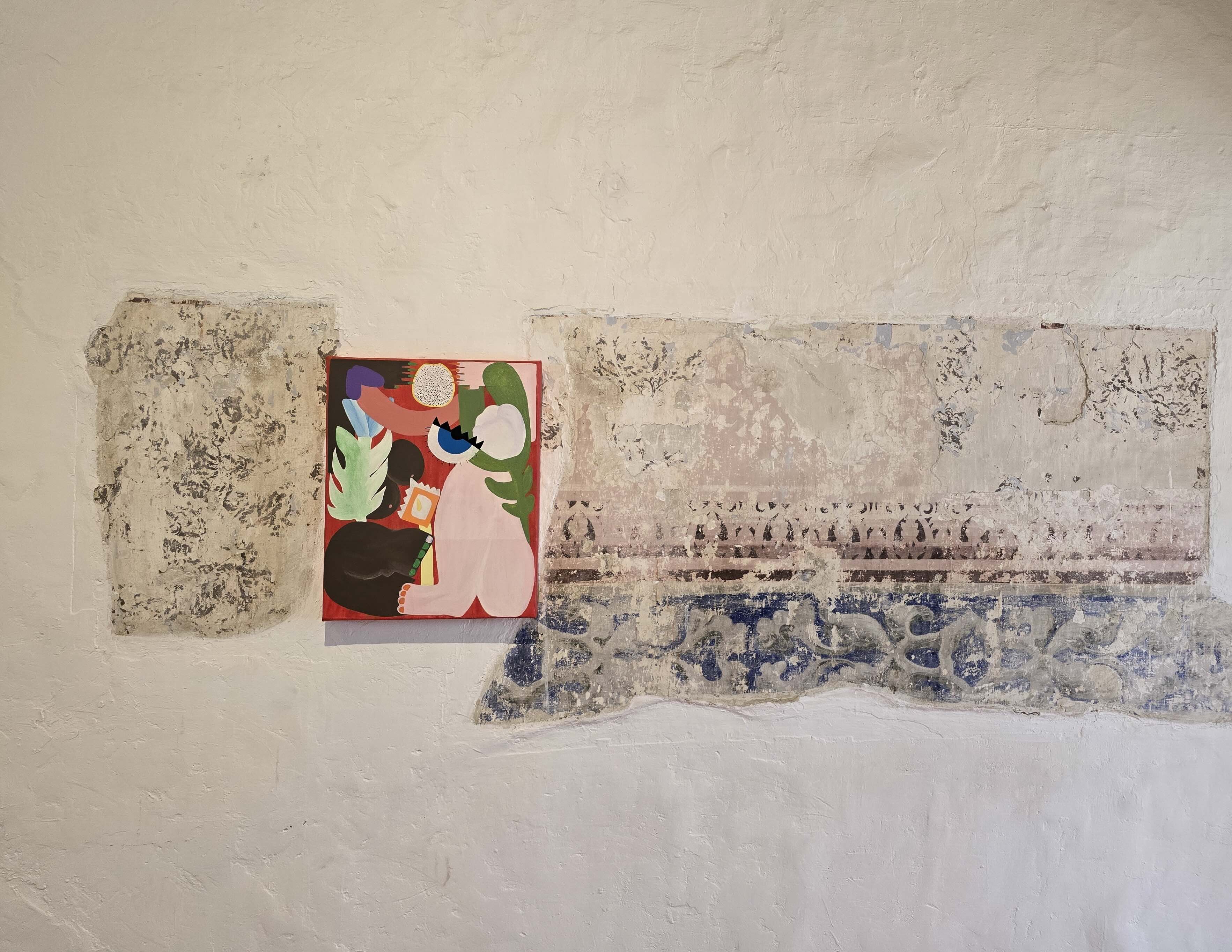
Toward a Mutable Biennial: A System of Visibility That Does Not Depend on a Single Milestone, but on Multiple Resonances
by Luis Hampshire
Review
Jan 10 2026
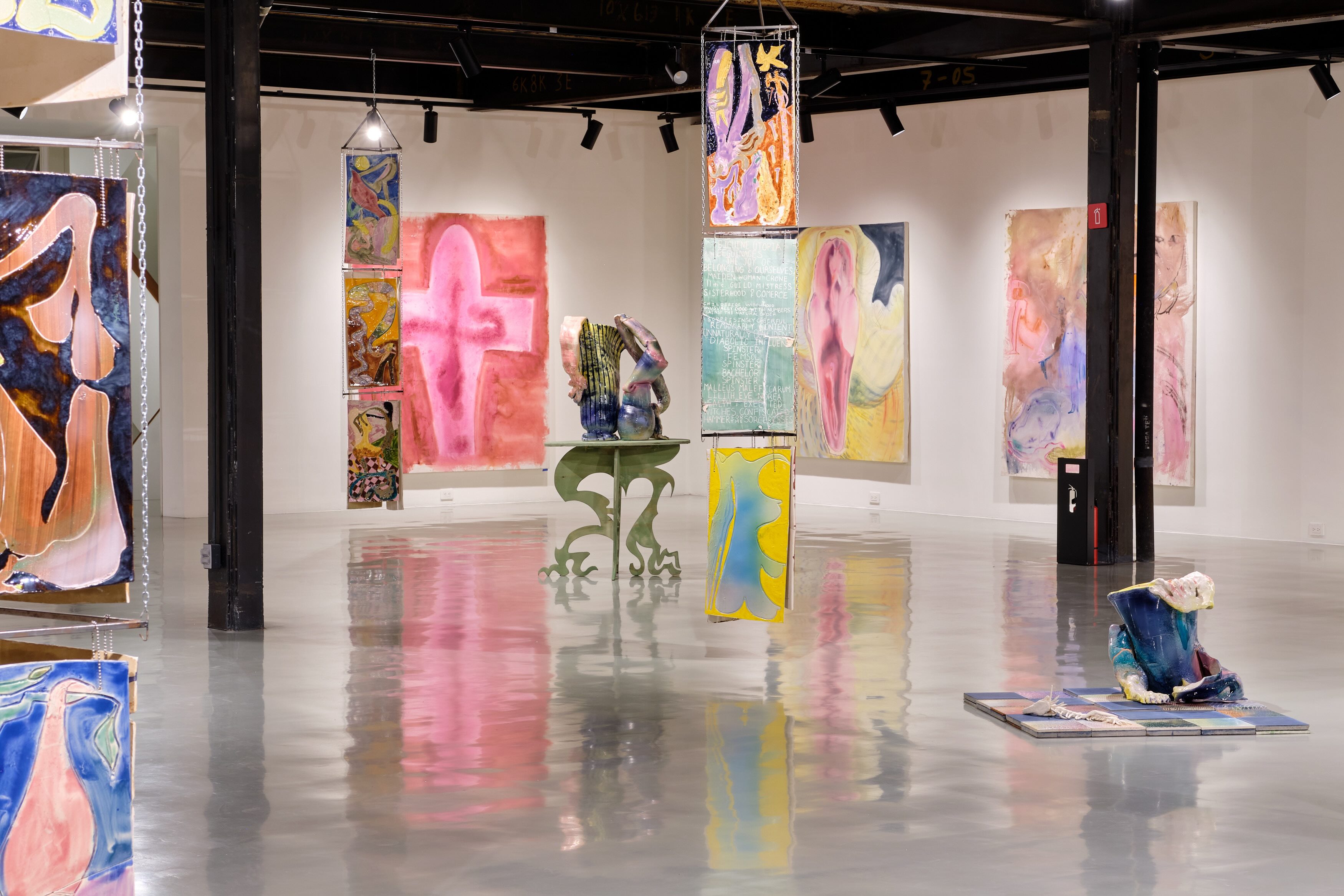
The Sacred Wonder: “Trece Lunas” by Chelsea Culprit at Plataforma
by Maya Renée Escárcega