Interview
Interview with Patricia Conde: Photography as a Medium for Storytelling
by Josephine Dorr
Reading time
9 min
The group exhibition Veintidós at Patricia Conde Galería curated by Alejandro López López celebrates more than two decades dedicated to showcasing Mexican photography while tracing a portrait of the gallery’s history. We spoke with its founder about her commitment to photographers in the country, the international circulation of their work, and the formation of audiences around the medium. Throughout the conversation, Conde reflects on the power of photography, her vision, and the elements that have shaped the gallery’s consolidation as a key reference point for the medium in Mexico.
Josephine Dorr: What was your first artistic love?
Patricia Conde: Books—literature, definitely. I had a very isolated childhood and found many adventures in books. I’ve always felt that photography and literature are essentially the same: they tell you a story. Every time you encounter them, it’s different—you are different, the place where you read or look is different. So my first love was books.
JD: I read that you also write—is that right?
PC: I do, still. Lately I’ve been revising some texts, with the idea of eventually publishing them. For me, writing is a great release and a form of intellectual training. My texts are somewhat fantastical—you’re never quite sure what’s happening, which reflects how I think.
JD: When you opened the gallery, you decided to focus exclusively on photography—a move that even today might seem risky. What led you to that decision?
PC: Like many things, it was somewhat accidental. At the time I was focused on writing, and José Antonio¹ bought me an office so I’d have a space of my own. When I saw it, I realized it was too large just for me. It felt like an epiphany, because photography had always been close to us. Back then—this was 2003—there was nothing resembling a photography gallery in Mexico. I reached out to José Antonio Rodríguez², and he liked my project (by the way, today, March 13, marks the anniversary of his passing). With him began this commitment to working exclusively with mid-career photographers. My specific aim was to give them value internationally. Mexican photography is highly recognized abroad, but not within Mexico itself. It produces extraordinary photographers, yet there is little Mexican collecting.
I started with artists like Yolanda Andrade, Patricia Lagarde, Laura Cohen, Francisco Mata… Over time, younger, older, and guest artists joined. That’s how the gallery’s archive began to take shape. Early on, we co-invested with the government to participate in art fairs—we went to all of them. One year we did twelve: Miami, Houston, Dallas, Zona Maco, AIPAD, Paris Photo… AIPAD³, in particular, gathers what are considered the world’s top galleries. There’s a committee that decides whether to accept you. We began to gain significant recognition, always presenting only Mexican artists. We made sales to museums, collectors, and institutions, which allowed the gallery’s vision to take shape. We were constantly packing, unpacking, and shipping. That’s how we built our name—what mattered most to us was becoming a reference point for Mexican photography.
My photographers are truly extraordinary, and speaking with them enriches me deeply. They’re always sharing ideas—what they’re working on, the series they’re developing. I see them building something for photography. And they are dedicated solely to photography. To make that choice and sustain that commitment takes courage.
JD: That leads me to another question: what do you think photography, specifically as a medium, can do?
PC: I think it can awaken your imagination and connect you with personal memory. Everyone has a different relationship to their past and present. There are photographs with which you form a strong dialogue , and others that say nothing to you—even if they’re excellent. It’s very curious. There are also images people consistently linger in front of. Listening to viewers’ interpretations nourishes me a lot.
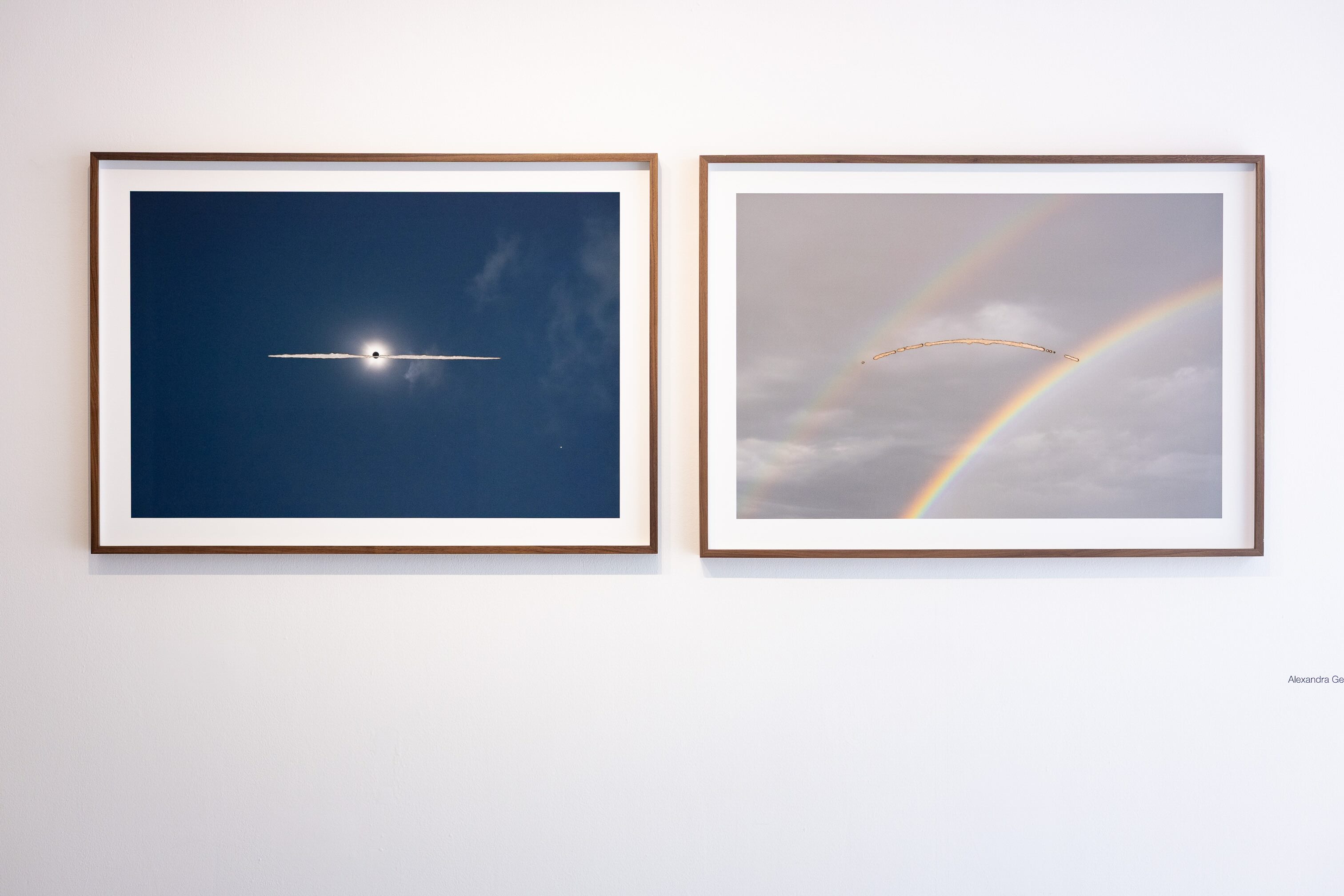
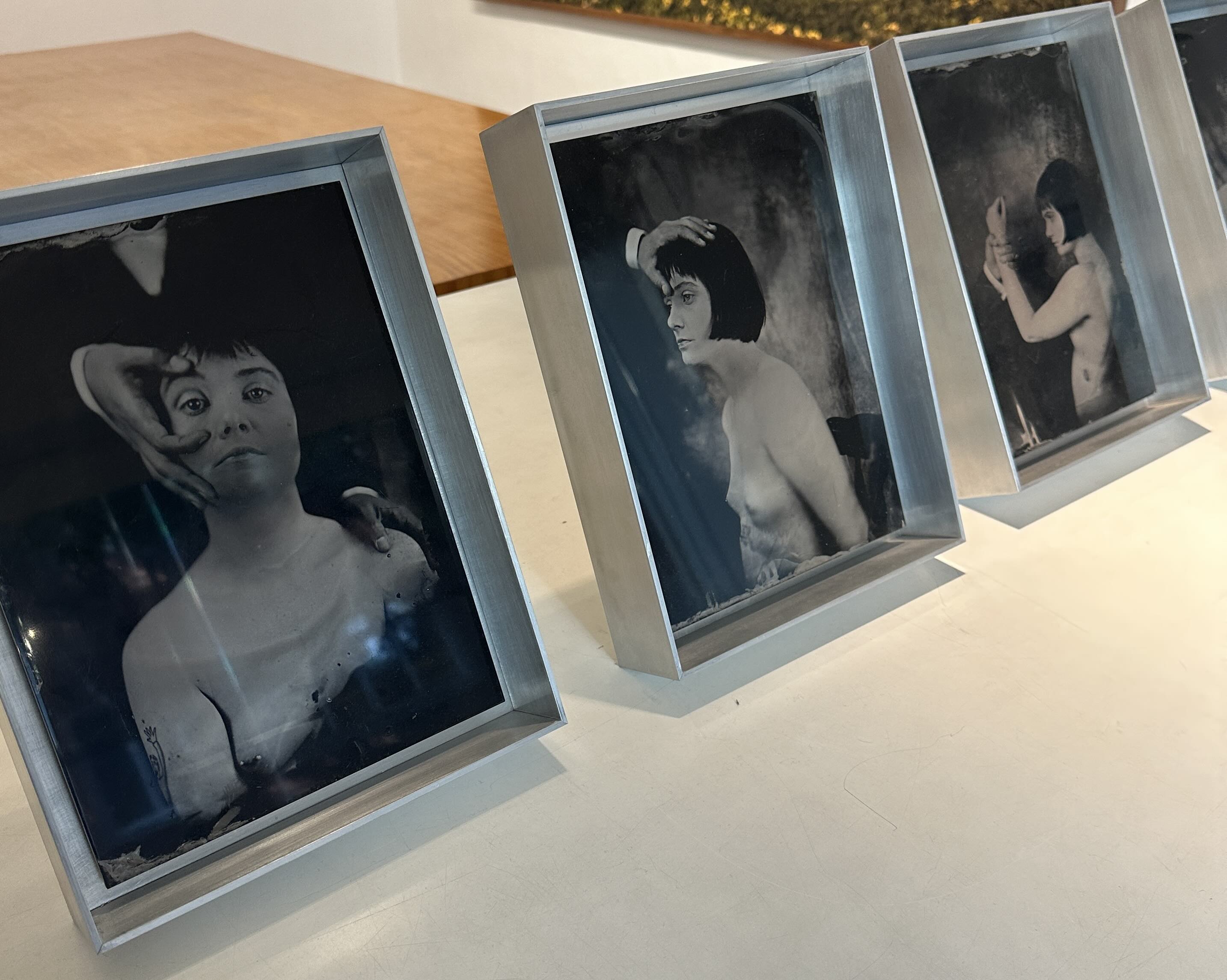
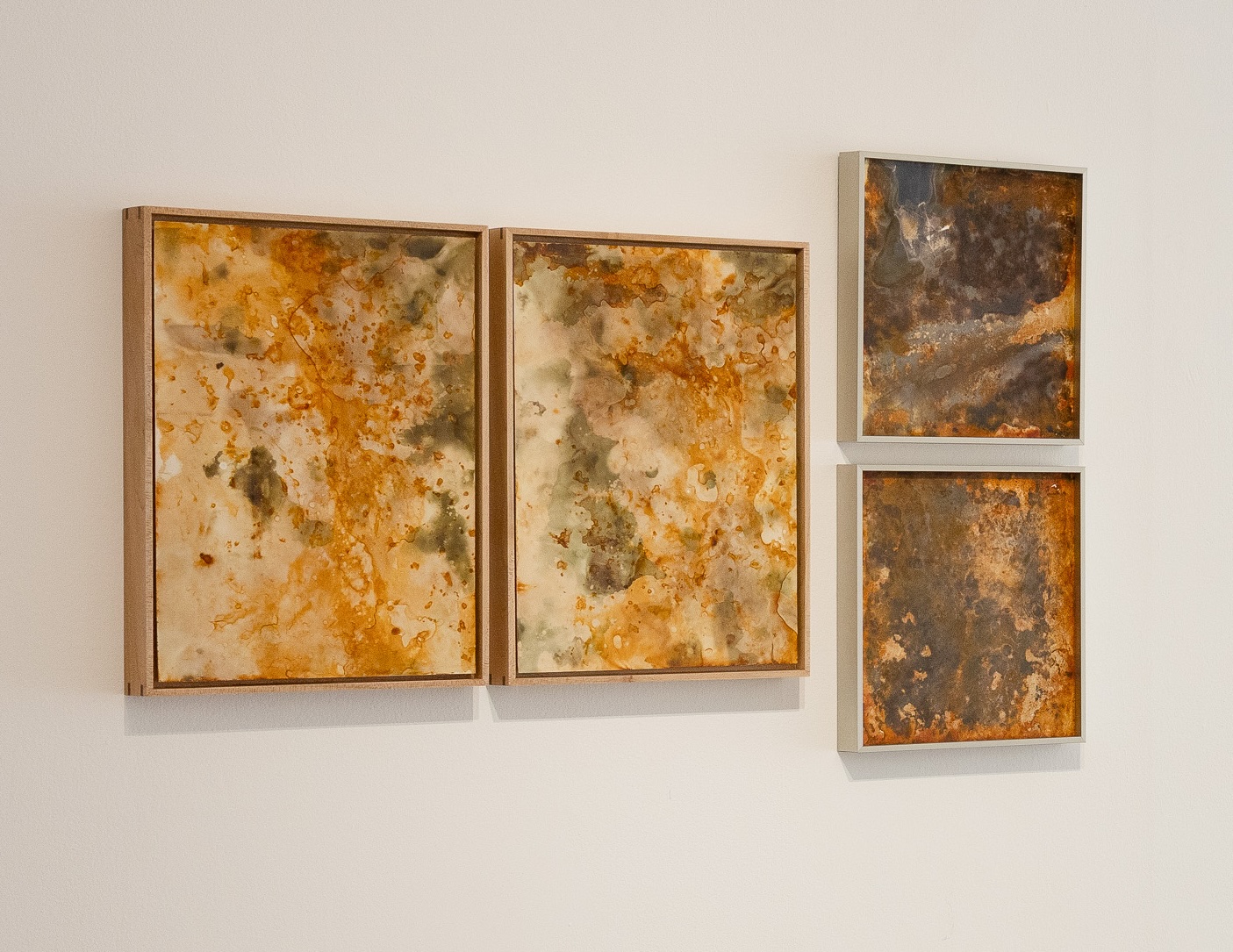
On the other hand, to truly see photography, you need some technical knowledge—what cyanotype is, or a daguerreotype, for example. In the current exhibition, there are ambrotypes by Sylvana Burns and unique works by Alexandra Germán, who incorporates delicate materials like copper or silver paper behind an eclipse. So I think that to see photography, you need to understand at least the basics of the medium.
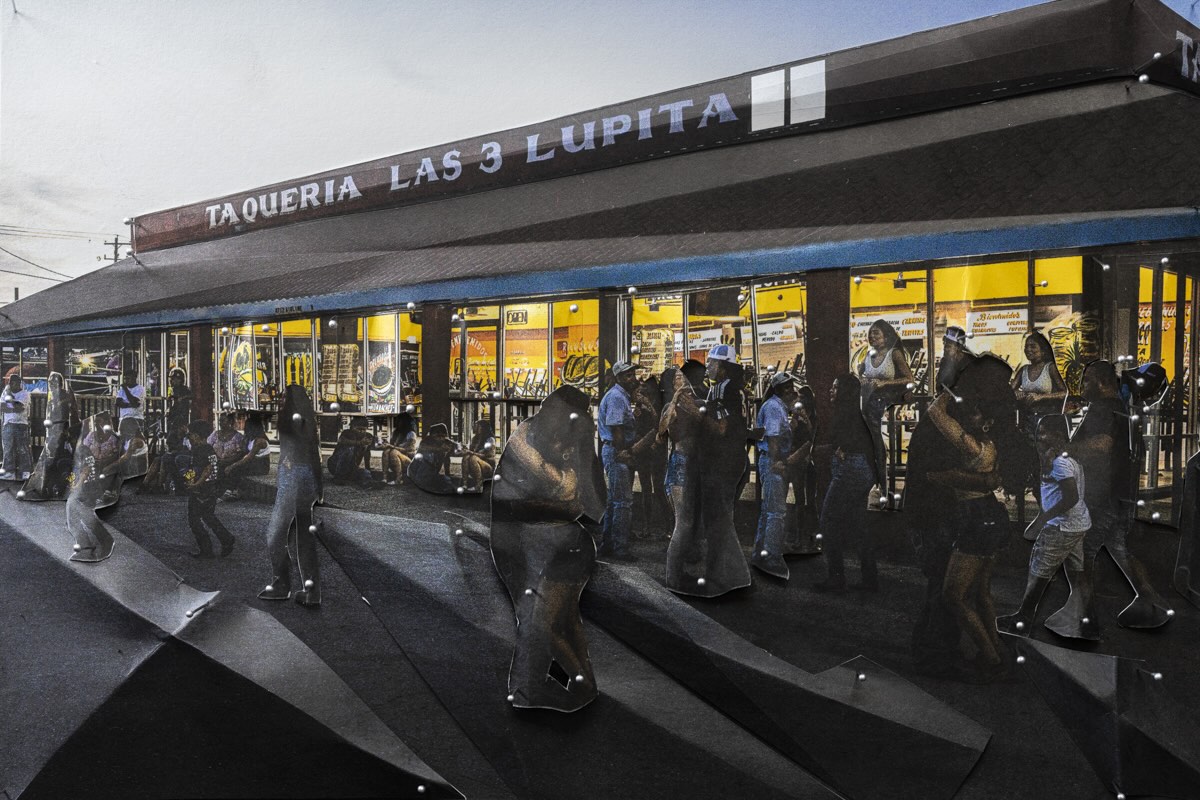
Everyone talks about photography’s reproducibility. First, photographers print the image when it sells. Second, in the gallery we emphasize that some photographs are not reproducible. Take those by Yael Martínez: beyond being extraordinary images, he physically intervenes in them, lifting certain elements and puncturing them with a pin. Up close, you notice a third dimension—they become unique pieces. I love that. The same goes for a work by Kati Horna we have here—where else would you find it?
Some people walk in, glance around, and leave. Others stay and let me explain, even if they don’t buy anything. I believe one of a gallery’s roles is precisely that: to explain what is on its walls.
JD: How would you define the role of a gallerist today?
PC: You choose artists based on their technical knowledge, their body of work, and their quality. For example, the youngest artist we work with is Margot Kalach—I met her during the pandemic through her drawings, and I’ve followed her development. I think we had a very good eye there.
It’s important to believe in the artist, and also to treat people with care and enthusiasm. You can tell when someone truly wants to listen—there’s a different way of looking, layers and depth are added.
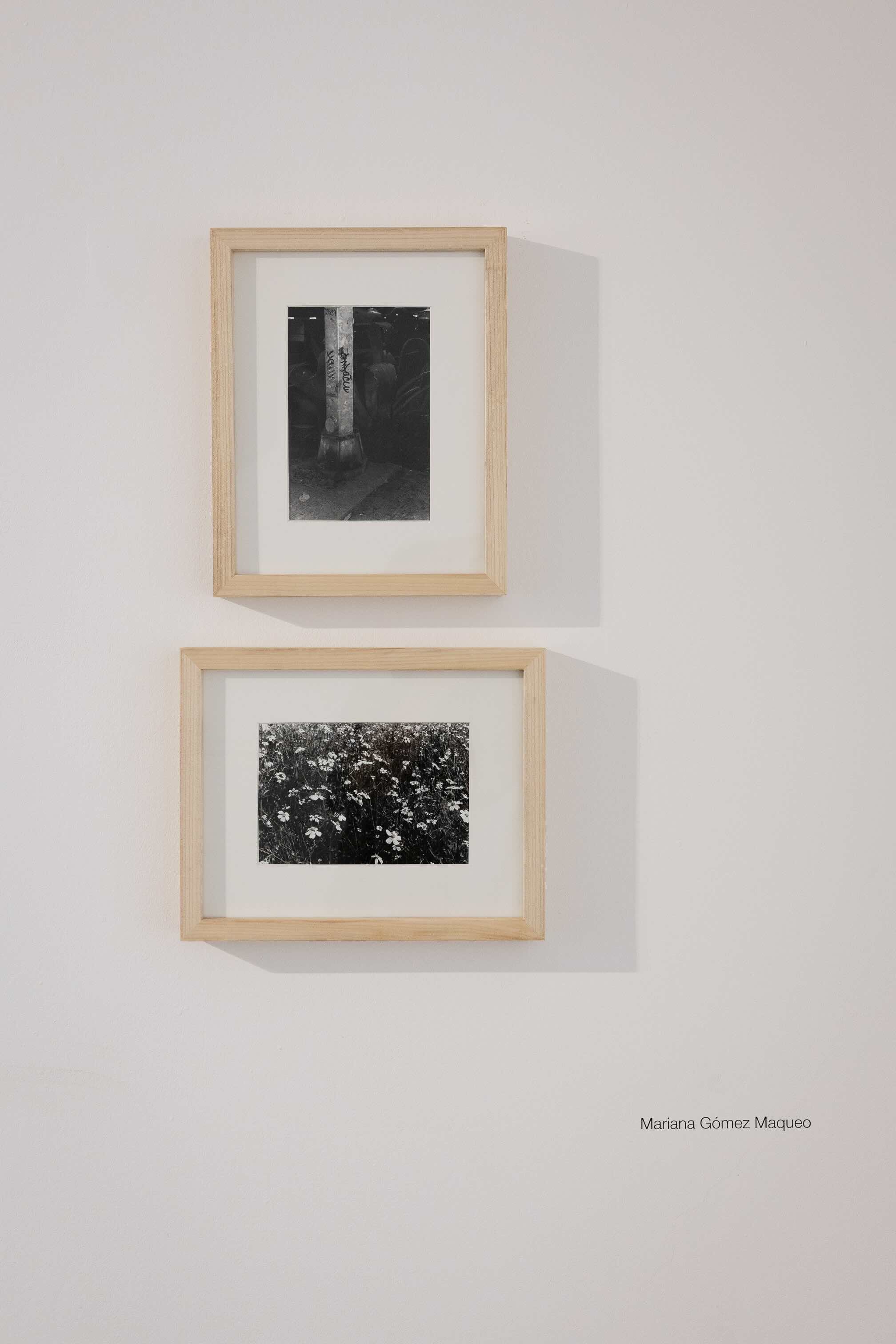
JD: In the exhibition, more than half of the artists are women, and recently you’ve also begun working with Mariana Gómez Maqueo and Sonia Madrigal. Has your interest in promoting women photographers been a conscious decision?
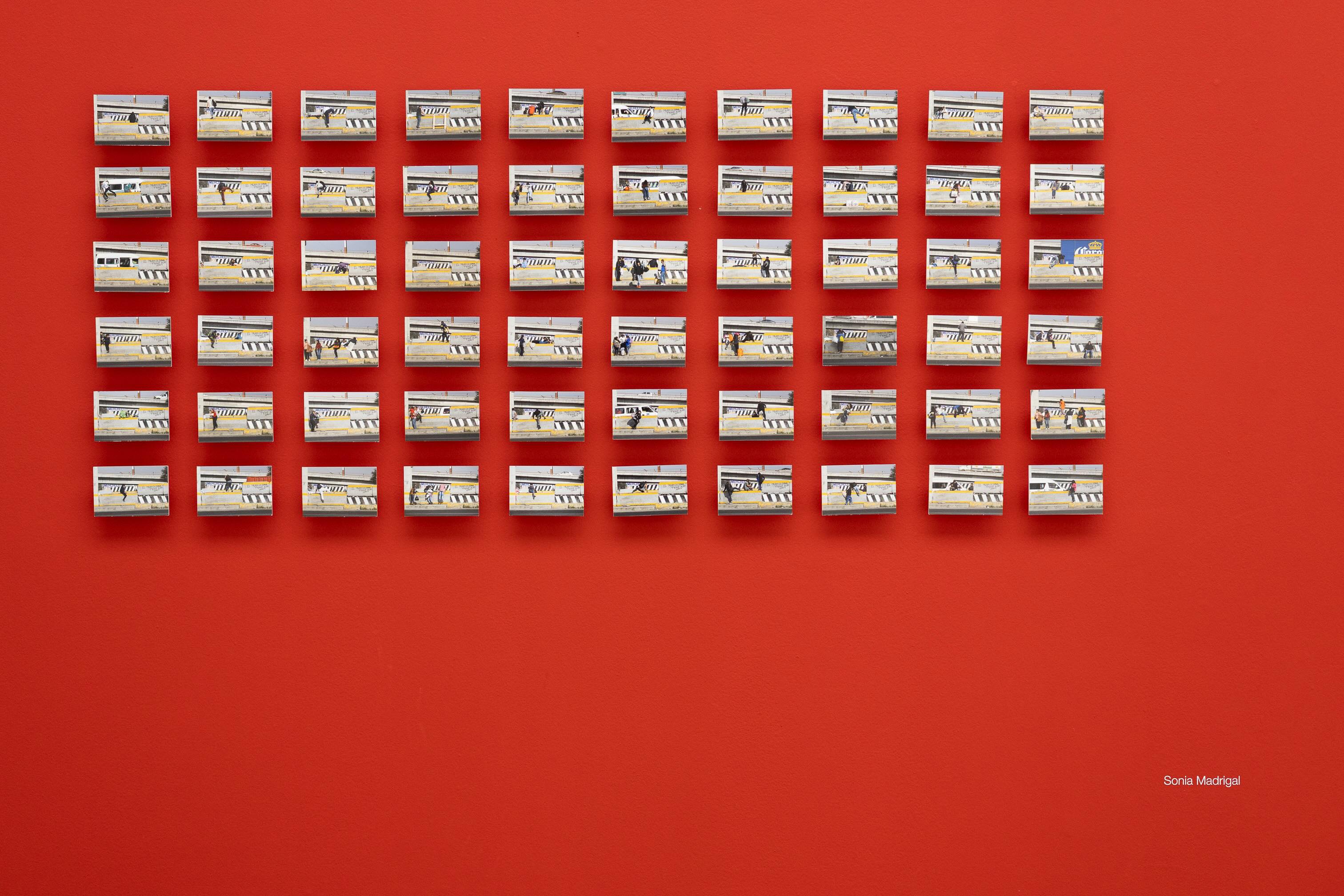
PC: It’s more that women have an enormous amount to offer. Some exhibitions have been very challenging for me—for example, when I showed Tania Bohórquez’s work on incest. No one else would show it, but I felt it had to be done. Sonia documents; Margot experiments constantly. Every photograph here says something—it has a purpose.
JD: In Veintidós, modern masters coexist with contemporary voices. What kind of dialogue were you hoping to create between generations?
PC: The history of my gallery. I wanted people to see who has passed through here and who I continue to work with. Those twenty-two years are what you see downstairs.
JD: Since the early 2000s, you’ve supported photographic art and helped build audiences in Mexico. How do you think the way photography is viewed or understood has changed?
PC: That’s a very interesting point. What I do know is that once the gallery opened, other galleries began to take photography seriously, and that makes me very happy. The more photography is seen, the more it will be understood.
JD: Maintaining a photography gallery in Mexico for over two decades can’t have been easy. What has been the key to sustaining the project?
PC: My passion for photography, and a wonderful team. The people who work here know photography and have dedicated a lot of time to it. And I’m very stubborn—maybe it’s that persistence, along with seeing that there are results, and learning along the way.
JD: Has there been a particularly moving moment in the gallery’s history?
PC: Being on the board of directors at AIPAD was very special. And being asked by artists like David LaChapelle, Michael Kenna, or Antoine D’Agata to represent them exceeded my expectations.
But certain exhibitions have also moved me. When I enter the gallery, I immediately feel the exhibition. If it’s very difficult, I want to take it down quickly. Others I don’t want to end. It’s not about whether they address difficult themes—it’s about how they are presented. For example, Yael Martínez deals with violence, and Sonia Madrigal with the brutal daily commute from Nezahualcóyotl to Mexico City, which can take more than two dangerous hours. But the form is still compelling.
JD: What upcoming project or artist excites you?
PC: I’m very excited about Adam Wiseman’s current project. And for GAMA WEEK we’ll present an exhibition by Alejandro Cartagena—he’s a genius. A retrospective, or whatever he wants to show. I give my artists a lot of freedom. Building a community has also been very important to me—making sure they get along and that we’re all happy. That’s how I like to work.
JD: A photograph you would love to have in your personal collection?
PC: That’s a difficult question. I love Sonia Madrigal’s work—I’d want all those small photographs; at that scale, they’re unique pieces. I’d also love to have one of Patricia Lagarde’s books, which are produced in very small editions. And a photograph by Yael Martínez—very expressive, unsettling. It shows his partner Lucero, who is pregnant. You can’t tell whether she’s putting on or taking off a sweater. There are two adobe walls, a dark tone, and an expression of anguish. It captures this tension—between waiting and the violence of corruption and drug-related realities. What kind of world is this child being born into? It’s a photograph that stays with you.
JD: Finally, what advice would you give to someone starting to collect photography?
PC: First, understand what you’re looking at. And buy what you love. We often need to trust our instincts—there’s a kind of dialogue happening, even if it’s not fully intelligible. In the end, when you place everything you’ve collected together… it tells a story. It’s you.
Translated into English by Luis Sokol.
1: José Antonio Martínez is Patricia Conde’s husband and he is a photographer.
2: José Antonio Rodríguez (1961-2021) was an image historian, specializing in historical Mexican and contemporary photography.
3: Association of International Photography Art Dealers. https://www.aipad.com/about. This association organizes one fair a year, in March-April, in New York’s Park Avenue Armory.
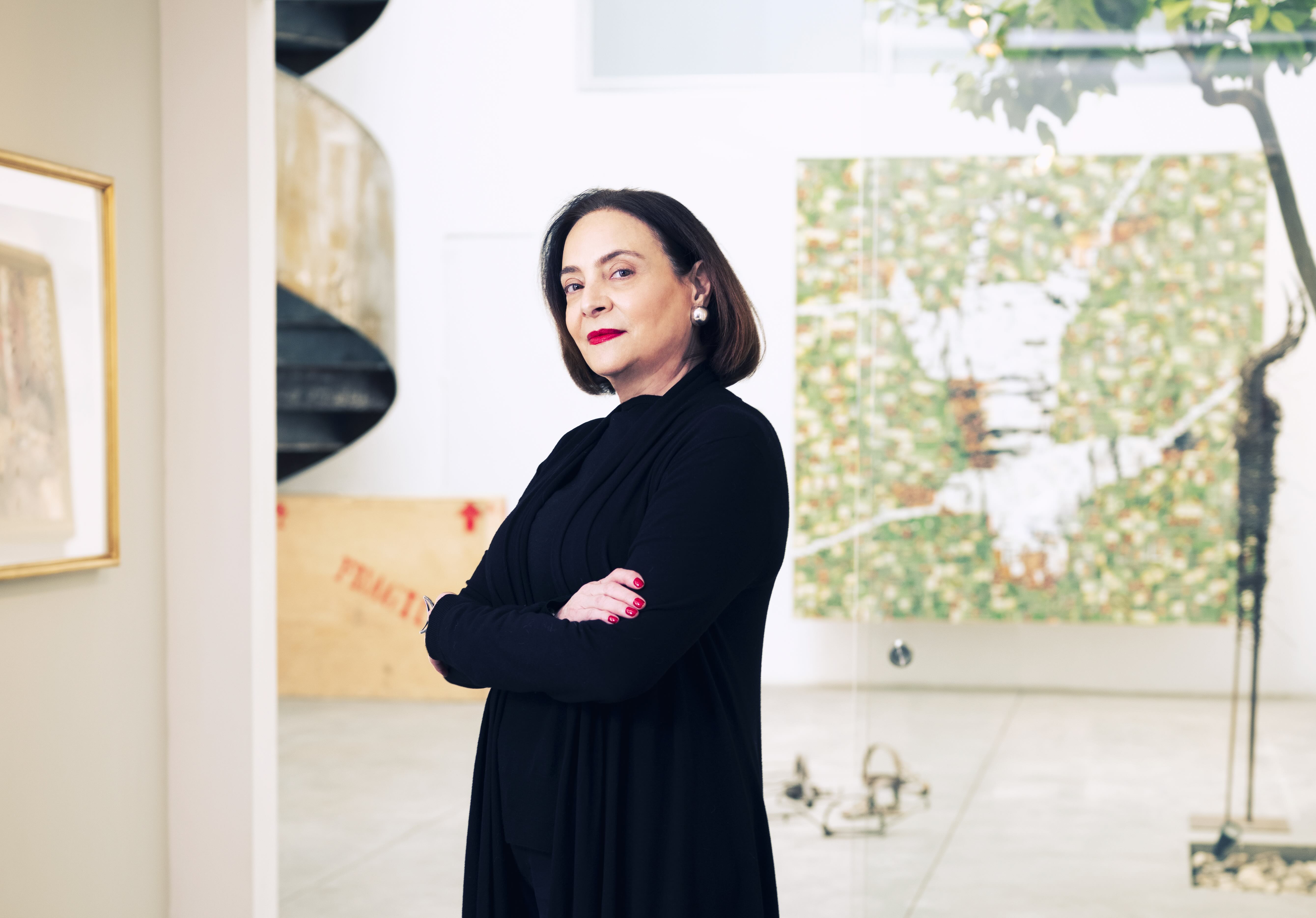
Cover picture: Patricia Conde. Photography by Lou Peralta
Published on Apr 8 2026